
Political Depression and the Afterlives of Neurasthenia
‘Political depression’ (政治性抑郁), first introduced into Chinese online discourse in the summer of 2019, is a term that gained wide circulation during the Covid-19 pandemic. At first, it was associated with anger and despair at the authorities’ mishandling of the Wuhan outbreak and its rapid slide out of control. Later in the prolonged crisis, it became linked to the feelings of helplessness and exhaustion produced by the zero-Covid policy, which was maintained even after the spread of the highly transmissible yet less severe Omicron variant. In this process, the term joined an expanding array of buzzwords—including sang (丧, ‘dejection’), neijuan (内卷, ‘involution’), tangping (躺平, ‘lying flat’), and run (润, ‘to flee abroad’)—that give a name to the discontent and ‘negative affects’ (Richaud 2021) accumulating in an increasingly authoritarian society in which positivity continues to be prescribed from above.
Among these keywords, political depression is distinctive in its explicit problematisation of politics—a transgressive act that could have invited censorship—and in its borrowing of a psychiatric diagnosis classified as an ‘affective disorder’ and marked by depressed or low mood. Taken together, these two moves suggest a form of depression—although not necessarily a full-blown mental disorder—whose aetiology is attributed to the political realm. The condition’s emotional contours can be discerned clearly in an article that marked the term’s emergence on the Chinese internet. Translated from a Huffington Post commentary by clinical psychologist Robert Lusson (2017) and published on the WeChat public account ‘A Perch for Thorn Birds’ (刺鸟栖息地, 2019), the article highlighted feelings that would become widely shared during the pandemic in China: a loss of control over one’s destiny and a sense of futility and foreclosed futures.
This blending of the political and the clinical is no coincidence. Behind the account is a namesake non-profit organisation founded by Xiaoka (小卡), a young activist, artist, and curator trained in social work, which is part of a new wave of mental health advocacy that has burgeoned in the virtual world. Operating under the banner of ‘public interest’ (公益), these organisations keep a distance from the more antagonistic stance characteristic of activists involved in the earlier ‘being mentally-illed’ (被精神病) controversy, in which alleged cases of involuntary psychiatric confinement on political or other non-medical grounds became a national scandal (Wu 2016). Instead, they share the idea that mental illness is not merely a medical matter but also a social issue, and that mental health is a site of social reform, pursued through awareness-raising, public education, and the provision of psychosocial support.
With the psychotherapy boom in major cities and the growing visibility of mental health issues, depression has become a well-known and routinely invoked category in both clinical and public arenas in China; few now recall that it was an uncommon and little-known disease in the early post-reform period. This is one of the central findings of the Hunan study by psychiatrist and anthropologist Arthur Kleinman, which has since become a landmark across medical anthropology, cultural psychiatry, and China studies. What he found ubiquitous back then was a diagnosis long obsolete in the West, neurasthenia (神经衰弱), which he placed in systematic comparison with depression in the United States. The study provoked intense controversy among Chinese psychiatrists and helped pave the way for the subsequent shift from neurasthenia to depression that produced the landscape we now take for granted.
Neurasthenia is arguably the disease category that has attracted the most attention in historical and anthropological studies of medicine in China. Kleinman’s research occupies a central place within this scholarship, just as the disease itself occupied a central position in the early and middle phases of his career (Huang 2024; for a comprehensive examination of the controversies surrounding this line of research, see McLawhorn 2021). While his study is often remembered as an intervention in debates about culture and mental illness, it also advanced another thesis: that the origins of neurasthenia lay in political history. The current rise of political depression may be seen as a belated, vernacular return to Kleinman’s question, although it is framed in the lexicon of depression—the diagnostic label that superseded neurasthenia.
Before Depression: Neurasthenia and the Hunan Study
Neurasthenia, literally meaning ‘weakening of nerves’, was first coined by American physician George M. Beard in 1869 to describe what he saw as a ‘disease of civilization’ affecting people in a rapidly urbanising and industrialising society (Schuster 2011). Its symptom repertoire encompassed fatigue, anxiety, headache, insomnia, irritability, and other diffuse complaints that linked bodily and mental distress to the travails of modern life. Initially an ‘American disease’, neurasthenia was first adopted in Europe and later in other parts of the world through encounters with Western modernity (Gijswijt-Hofstra and Porter 2001). Introduced into China in the early twentieth century, most likely through Japan, it was well received during the Republican era, perhaps because of its perceived affinity with xu (虚, ‘deficiency’), a core concept in traditional Chinese medicine (Shapiro 2000). After the founding of the People’s Republic in 1949, the diagnosis—also a key category in Soviet psychiatry—gained further legitimacy and became, as Chairman Mao’s personal physician Zhisui Li (李志绥, 1994: 109) called it, a ‘peculiarly communist disease’. So rampant was the condition that during the Great Leap Forward, the country’s leading professionals in psychiatry and psychology launched the ‘Speedy Synthetic Treatment’ (快速综合疗法) campaign to combat it (Wang 2019).
This was the diagnostic picture that Kleinman encountered in his Hunan study, carried out through two extended field visits to Hunan Medical University (湖南医科大学) in Changsha—successor to the Republican-era Yale-in-China or Hsiang-Ya Medical College (湘雅医学院)—in 1980 and 1983. The project unfolded in a distinctive niche of time and place: economic reform had only just begun and the devastations of the Cultural Revolution were still recent and palpable—as the brief vogue of so-called Scar Literature attested. The clinical world offered a rare window onto the lived experiences of ordinary people. The study culminated in Social Origins of Distress and Disease: Depression, Neurasthenia, and Pain in Modern China (Kleinman 1986; hereinafter Social Origins)—a book weaving together ethnography, history, epidemiology, and clinical cases—as well as several articles (Kleinman 1982; Kleinman and Kleinman 1985, 1994, 1995).
At the heart of the Hunan study lies the problem of diagnosis or, more specifically, the cross-cultural validity of mental illness—long regarded as more elusive than diseases of the physical body. At the time, the World Health Organization’s International Pilot Study of Schizophrenia (IPSS) had suggested that major psychoses in different countries shared broadly similar symptomatology. The status of non-psychotic or ‘neurotic’ disorders, however, remained unsettled. In the United States, mainstream psychiatry was rapidly consolidating an operationalised, symptom-checklist approach—codified in the third edition of the Diagnostic and Statistical Manual of Mental Disorders (DSM-III), published in 1980—that treated each disorder as a discrete entity defined by a specific set of criteria. Against this backdrop, the drastically different diagnostic picture in China called into question the universality of depression—one of the paradigmatic disorders on the neurotic spectrum.
Kleinman’s explanation is informed by an approach later termed ‘cultural phenomenology’, which attends to how culture, conceived of as a symbolic system, shapes the lived experience, expression, and interpretation of illness (Csordas 1994). From this perspective, neurasthenia and depression are cultural categories through which distress is rendered intelligible in the social worlds in which each diagnosis flourishes. He proposed two ideal-type mechanisms, somatisation and psychologisation, to make sense of these differences. In this schema, Chinese patients were less inclined or able to articulate dysphoric emotions—something he had already noted in his earlier Taiwan study—and were prone to present with somatic complaints. Neurasthenia, with its capacious inclusion of a wide range of bodily symptoms such as fatigue, dizziness, and pain, thus appeared as an appropriate diagnostic container. By contrast, depression, organised around the explicit verbalisation of inner feeling states, was a suitable category in the United States, where people were accustomed to speaking about emotions and locating their distress in the interior spaces of the mind.
Kleinman also carried out what can be described as an experiment in diagnostic reclassification. He applied the diagnostic criteria of the then newly published DSM-III—also the edition that finally removed neurasthenia from the official psychiatric classification—to his sample of neurasthenic patients and found that most would qualify for a diagnosis of depression. Most of these cases also showed a favourable response to tricyclics, an older class of antidepressants widely used before the rise of Prozac and other selective serotonin reuptake inhibitors (SSRIs) in the 1990s. These findings had clear clinical implications and became the part of his research that attracted the most attention—and the most misunderstandings—among Chinese psychiatrists. Given the demise of neurasthenia and the ascendancy of depression in the West, many of them took the Hunan study to imply a pattern of ‘misdiagnosis’ in China. Neurasthenia came to be regarded as an anachronism in a professional community that had been cut off from their Western counterparts for three decades and was keen to catch up with international standards.
Eventually, the Hunan study had a paradoxical, largely unintended effect of reshaping the local life of the very entity it set out to investigate. More than a decade after the publication of Social Origins, Hong Kong–based cultural psychiatrist Sing Lee (1999) described a diagnostic shift from neurasthenia to depression—characterised as a ‘diagnosis postponed’—within the elite echelons of Chinese psychiatry, arguing that an eager embrace of a globalised, DSM-based psychiatry, together with other factors, such as the promotion of pharmaceutical companies and the medicalisation of suicide, was a driving force of this change. Revisiting the trend in a later publication (Lee 2011) that appears in Deep China: The Moral Life of the Person, a collection of essays by Kleinman and his former students, Lee noted that the previously deferred diagnosis had ‘come of age’ in China: depression had passed from the clinical realm into the popular sphere in a society in which people, especially members of the expanding middle class and the younger generation, were increasingly expressing their feelings.
Social Causation: Neurasthenia and the Cultural Revolution
As the title Social Origins suggests, social causation is at least nominally the central thesis of the Hunan study. The book’s title—and even its cover image—clearly echoes a classic in social psychiatry and medical sociology, Social Origins of Depression: A Study of Psychiatric Disorder in Women (Brown and Harris 1979). This earlier work, based on community epidemiological surveys in the United Kingdom, develops a sociological model for depression in which the interaction of social structure, vulnerability factors, and adverse life events explains differential risks. Building on these insights, Kleinman draws a distinction between two levels of social causation: the local context that includes family, work unit, and interpersonal networks, and the macrosocial influences that are synonymous with the catastrophic Cultural Revolution. The former is described in terms of chronic strain, whereas the latter is endowed with a more deterministic and profoundly wounding force.
In the field of China studies, the Hunan study is often cited as a pioneering exploration of the psychological consequences of the Cultural Revolution. Departing from the usual norms of ethnographic practice in anthropology, Kleinman relied largely on interviews with patients rather than participant observation. These interviews went beyond a close examination of symptoms and their cultural meanings and delved into the life trajectories that led to, and became entangled with, the onset and subsequent course of illness—an approach he later theorised as the study of ‘illness narratives’ (Kleinman 1988). Given the timing of the research, the stories patients recounted naturally involved their experiences during the decade-long turmoil. In a later interview, Kleinman would even claim that studying survivors of the Cultural Revolution had been his original intent—a motivation that, for obvious reasons, could not be revealed at the time. He also suggested that the project, while beginning as a clinical one, had eventually expanded into ‘a sort of political project, a political history’ (Honkasalo and Lindquist 1997: 115).
Chapter Six of Social Origins is dedicated to case histories—13 in total. A section titled ‘Psychological Casualties of the Cultural Revolution’, which encompasses six cases spanning different ages, genders, and social positions, constitutes the bulk of the chapter. These cases portray a range of politically imposed ordeals that ordinary people endured during that period: interrogation and torture, public humiliation, being sent down to the countryside, the forced separation of families, and so on. Contemporary readers may wonder why trauma or post-traumatic stress disorder (PTSD), a diagnosis marked by re-experiencing, avoidance, and hyperarousal, does not figure more prominently here. Because PTSD entered the DSM system only with its third edition, trauma discourse in the United States was still nascent and would only reach China in any substantial way two decades later, after the 2008 Wenchuan earthquake. Instead, these cases coalesce into a different picture: one of weakness and depletion, which runs counter to the revolutionary optimism the socialist regime had sought to instil in its people.
Although the attempt to trace the social origins was often overshadowed by controversies over ‘correct’ diagnosis and cross-cultural differences in symptomatology, this dimension did receive a fair amount of attention and misapprehension among Chinese psychiatrists. In 1993, Kleinman and his collaborators, the distinguished psychiatrist Derson Young (杨德森) and his disciple Shuiyuan Xiao (肖水源), engaged in a public debate in the international journal Integrative Psychiatry; these texts were later translated into Chinese and reprinted in the Shanghai Archives of Psychiatry (上海精神医学). For an academic forum, the exchange was unusually sharp, giving the impression that the two sides were not only talking past one another but also dispensing with any veneer of collegiality. The most obvious point of incommensurability lay in their diverging views on the nature of mental illness. Young and Xiao (1993), while acknowledging correlations between social problems, distress, and mental disorders, insisted that psychiatry should remain an individual-based, positivist science. Wary of what they saw as the conflation of the personal and the social, they denounced the Hunan study and the enterprise of medical anthropology as ‘scratching outside the boot’ (隔靴抓痒), unscientific, and containing ‘more error than truth’ (Young and Xiao 1993: 9).
In his response, Kleinman (1993) criticised his collaborators for ignoring how illness is constituted in social and political contexts and for having little understanding of medical anthropology and cultural psychiatry. Emphasising the sensitive nature of his research—the tremendous suffering it brought to light and the political constraints under which his Chinese colleagues worked—he hinted that their rebuttal was shaped as much by ideological conformity as by intellectual disagreement. Seeing no real possibility of genuine discussion, he ultimately likened the debate to a ‘political struggle session in an authoritarian fashion’ (Kleinman 1993: 11).
Amid these disputes, Kleinman began to reformulate his theories; he recast neurasthenia in moral terms and, at the same time, moved away from a disease-centred framework towards a broader category of misery and hardship understood as a basic human condition—a trajectory that would culminate in his influential concept of ‘social suffering’ (Kleinman et al. 1997). In two articles co-authored with his wife and long-term collaborator, Joan Kleinman (Kleinman and Kleinman 1994, 1995), neurasthenia is no longer treated as a culture-specific diagnosis waiting to be mapped onto Western nosology. Instead, it is framed as a vehicle for social memory, inscribed in the human body as the symptoms associated with the condition—a process he terms ‘sociosomatics’. This is a twist on the psychiatric concept of ‘psychosomatics’, which examines how emotional or mental distress contributes to bodily ailments. For example, dizziness, one of the most common manifestations of neurasthenia in China, becomes an embodied metaphor for disorientation produced by the breakdown of social order. Such symptoms carry moral weight; they mark what is vitally at stake in patients’ lives and operate as a silent form of criticism in a repressive environment in which more overt modes of resistance are perilous and often untenable.
Whither ‘Political Depression’?
When Sing Lee (1999) published his article on the diagnostic shift, Kleinman (1999) responded with a commentary that revisited the fate of neurasthenia and depression in China with mixed feelings. He accepted Lee’s argument that elite psychiatrists had misread his Hunan study partly out of a fear of lagging behind once more—a fear rooted in their own traumatic past, which had included decades of professional isolation throughout the Maoist period and years of persecution in the Cultural Revolution. Although his research had aimed to unravel ‘Chinese characteristics’ in illness experience, it ended up casting their distance from global psychiatry into sharper relief. At the same time, Kleinman wondered whether this shift was largely confined to academic centres, suspecting that neurasthenia continued to be used widely in other clinical settings and among patients. Acknowledging the underdeveloped and highly uneven status of the country’s mental health system, he cautioned that underdiagnosis of depression might in fact be the more pressing concern, given that it is a treatable condition whose medicalisation is easy to justify.
At the end of the article, Kleinman posed a question that uncannily speaks to the rise of political depression today. Seeing the fading of neurasthenia—whose symptoms he had earlier formulated as embodied memories of the traumatic past—he could not help but ask: ‘[A]re we missing a still deeper stratum of alienation, delegitimation and inner pain—the longer term effects of Chinese Communism’s political failures?’ (Kleinman 1999: 392). In effect, he was worried that, with the disappearance of neurasthenia, the very social and political trauma condensed in it would also be effaced, and the new biomedical diagnosis would not be able to carry this historical burden.
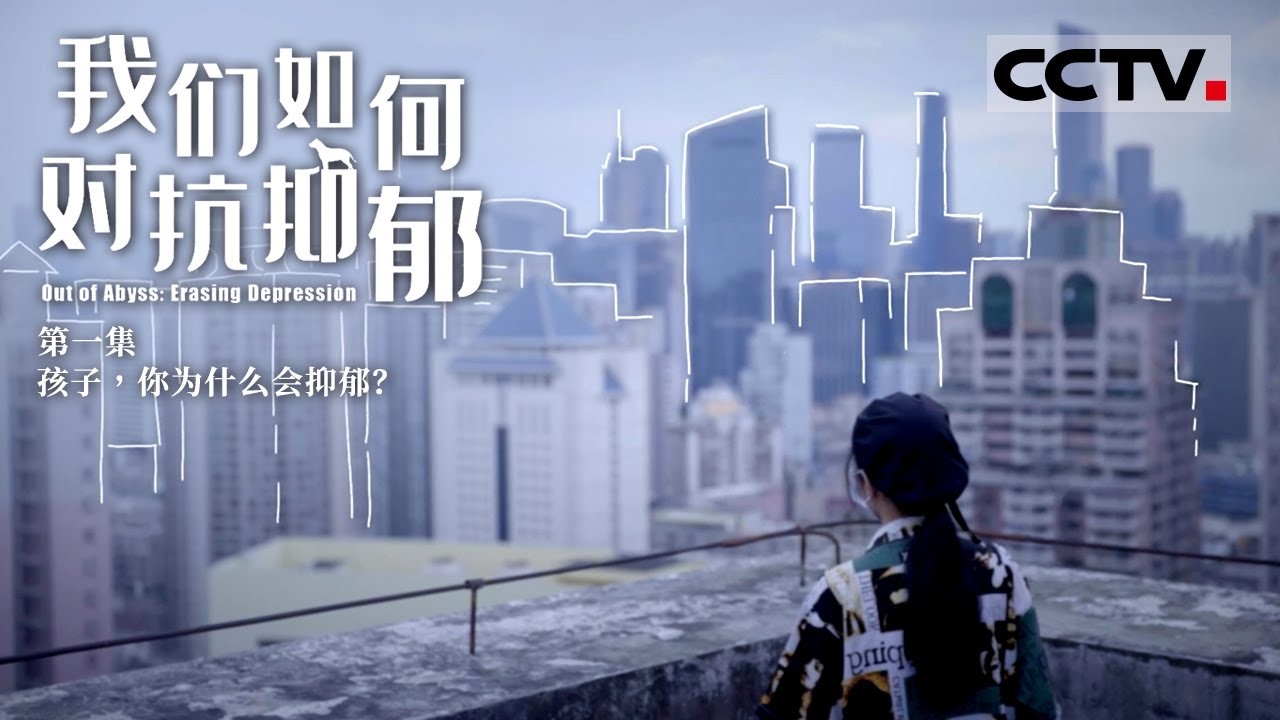
The rise of ‘political depression’ two decades later seems to suggest that depression has taken up the task once imputed to neurasthenia, and neurasthenia only. To date, China’s mental health system has expanded its remit to include ‘common mental disorders’ such as anxiety and depression, and Chinese society, especially in major cities, has undergone a psychotherapy boom that normalises talking about emotions and seeking help. In fact, during the pandemic, the Chinese State also ramped up its efforts to fight depression, from a nationwide special services programme targeting the condition to the CCTV five-part documentary Out of the Abyss: Erasing Depression (我们如何对抗抑郁). Against this backdrop, the buzzword emerged as a popular reprise of the social causation thesis, appropriating the depression label to name forms of exhaustion, despair, and powerlessness whose sources are understood to lie in politics.
The term has gained wide currency, but the long-delayed politicisation of depression that it indexes remains fragile and uncertain. In mid-April 2022, amid the Shanghai lockdown, Xiaoka curated all the essays she had written on political depression since the summer of 2019 into a single post on the WeChat public account ‘A Perch for Thorn Birds’. The term was still in the early phase of a second peak that would plateau under the seemingly endless zero-Covid policy, but, looking back, she observed that it had already become a ‘passcode to web traffic’ (流量密码), a phrase that social media accounts could deploy to attract clicks, even as its core meaning was thinned or distorted. Noting the immense difficulty of ‘sustaining dialogue and pursuing in-depth discussion’ (持续对话和深入讨论), she lamented that political depression had turned into ‘a label capable of describing a phenomenon but stopping short at that’ (能够描述某种现象但也止步于此的标签). Three years after the end of the pandemic, the term still enjoys notable visibility on the Chinese internet, yet it has already begun to feel banal. Whether and to what extent it can function, as Kleinman and Kleinman (1995: 148) once hoped neurasthenia might, as a ‘mnemonic device for recapturing the past’, remains to be seen.
References
A Perch for Thorn Birds 刺鸟栖息地. 2019. ‘政治抑郁者: 在大海上挣扎前行的夜航人 [The Politically Depressed: Night Voyagers Struggling Forward on the Open Sea].’ A Perch for Thorn Birds WeChat account, 20 August. mp.weixin.qq.com/s/a9CUz_bpMf6f_tfuVcdXrw.
A Perch for Thorn Birds 刺鸟栖息地. 2022. ‘文章汇总 | 政治抑郁系列 [Collection: Political Depression Series].’ A Perch for Thorn Birds WeChat account, 14 April. mp.weixin.qq.com/s/QKl3m3VAolFeZ8T0cQm1CQ
Brown, George W., and Tirril O. Harris. 1979. Social Origins of Depression: A Study of Psychiatric Disorder in Women. London: Routledge.
Csordas, Thomas J. 1994. The Sacred Self: A Cultural Phenomenology of Charismatic Healing. Berkeley, CA: University of California Press.
Gijswijt-Hofstra, Marijke, and Roy Porter, eds. 2001. Cultures of Neurasthenia from Beard to the First World War. Leiden, Netherlands: Rodopi.
Honkasalo, Marja‐Liisa, and Johan Lindquist. 1997. ‘An Interview with Arthur Kleinman.’ Ethnos 62(3–4): 107–26.
Huang, Hsuan-Ying. 2024. ‘Revisiting Arthur Kleinman’s Research on Neurasthenia.’ Taiwanese Journal of Psychiatry 38(3): 103–6.
Kleinman, Arthur. 1982. ‘Neurasthenia and Depression: A Study of Somatization and Culture in China—Report Number One of the University of Washington–Hunan Medical College Collaborative Research Project.’ Culture, Medicine and Psychiatry 6(2): 117–90.
Kleinman, Arthur. 1986. Social Origins of Distress and Disease: Depression, Neurasthenia, and Pain in Modern China. New Haven, CT: Yale University Press.
Kleinman, Arthur. 1988. The Illness Narratives: Suffering, Healing, and the Human Condition. New York, NY: Basic Books.
Kleinman, Arthur. 1993. ‘Commentary by Arthur Kleinman.’ Integrative Psychiatry 9(1): 10–12.
Kleinman, Arthur. 1999. ‘The Moral Economy of Depression and Neurasthenia in China.’ Culture, Medicine and Psychiatry 23(3): 389–92.
Kleinman, Arthur, and Joan Kleinman. 1985. ‘Somatization: The Interconnections in Chinese Society among Culture, Depressive Experiences, and the Meanings of Pain.’ In Culture and Depression: Studies in the Anthropology and Cross-Cultural Psychiatry of Affect and Disorder, edited by Arthur Kleinman and Byron Good, 429–90. Berkeley, CA: University of California Press.
Kleinman, Arthur, and Joan Kleinman. 1994. ‘How Bodies Remember: Social Memory and Bodily Experience of Criticism, Resistance, and Delegitimation Following China’s Cultural Revolution.’ New Literary History 25(3): 707–23.
Kleinman, Arthur, and Joan Kleinman. 1995. ‘Remembering the Cultural Revolution: Alienating Pains and the Pain of Alienation/Transformation.’ In Chinese Societies and Mental Health, edited by Tsung-Yi Lin, Wen-Shing Tseng, and Eng-Kung Yeh, 141–55. Oxford, UK: Oxford University Press.
Kleinman, Arthur, Veena Das, and Margaret M. Lock, eds. 1997. Social Suffering. Berkeley, CA: University of California Press.
Li, Zhisui (with Anne F. Thurston). 1994. The Private Life of Chairman Mao: The Memoirs of Mao’s Personal Physician. New York, NY: Random House.
Lee, Sing. 1999. ‘Diagnosis Postponed: Shenjing Shuairuo and the Transformation of Psychiatry in Post-Mao China.’ Culture, Medicine and Psychiatry 23(3): 349–80.
Lee, Sing. 2011. ‘Depression: Coming of Age in China.’ In Deep China: The Moral Life of the Person, by Arthur Kleinman, Yunxiang Yan, Jing Jun, Sing Lee, Everett Zhang, Pan Tianshu, Wu Fei, and Jinhua Guo. Berkeley, CA: University of California Press.
Lusson, Robert. 2017. ‘Political Depression.’ Huffington Post, 3 January. www.huffpost.com/entry/political-depression_b_5879574ae4b077a19d180dbe.
McLawhorn, Donald. 2021. The Neurasthenia–Depression Controversy: A Window on Chinese Culture and Psychiatric Nosology. London: Routledge.
Richaud, Lisa. 2021. ‘Introduction: The Politics of Negative Affects in Post-Reform China.’ HAU: Journal of Ethnographic Theory 11(3): 901–14.
Schuster, David G. 2011. Neurasthenic Nation: America’s Search for Health, Happiness, and Comfort, 1869–1920. New Brunswick, NJ: Rutgers University Press.
Shapiro, Hugh. 2000. ‘Neurasthenia and the Assimilation of Nerves into China.’ Paper presented at Symposium on the History of Disease, Institute of History and Philology, Academia Sinica, Taipei, 16–18 June.
Wang, Wen-Ji. 2019. ‘Neurasthenia, Psy Sciences and the “Great Leap Forward” in Maoist China.’ History of Psychiatry 30(4): 443–56.
Wu, Harry Yi-Jui. 2016. ‘The Moral Career of “Outmates”: Towards a History of Manufactured Mental Disorders in Post-Socialist China.’ Medical History 60(1): 87–104.
Young, Derson, and Shuiyuan Xiao. 1993. ‘Several Theoretical Topics in Neurosis Research.’ Integrative Psychiatry 9(1): 5–9.