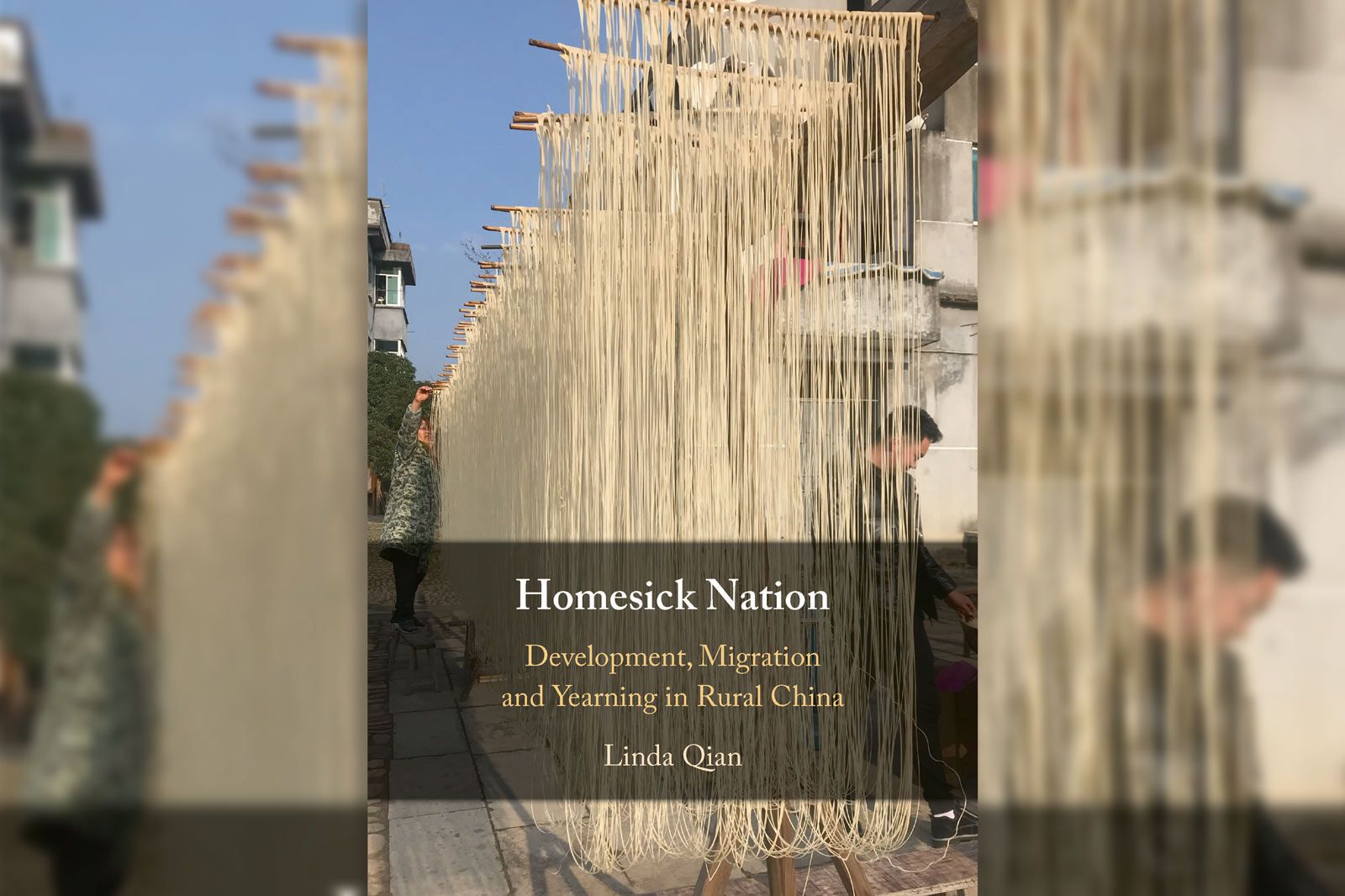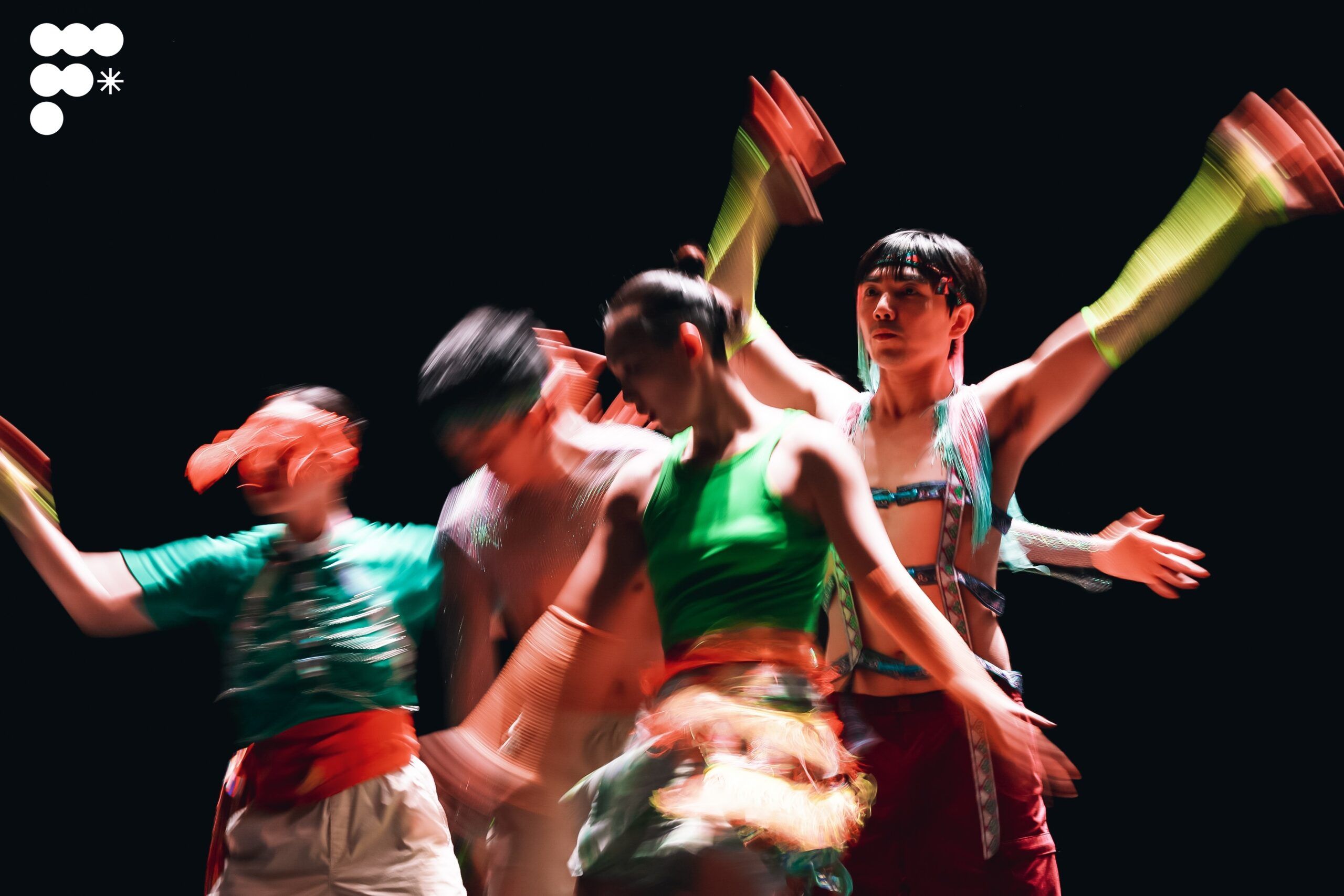

No-One Signed Up: Fatigue, Failure, and Fragile Optimism in Chinese Trans Advocacy

This essay examines how a liminal state of uncertainty and disorientation shapes the trajectory of a trans-advocacy organisation in contemporary China. By situating the group’s current struggles within the tension between global humanitarianism and China’s ambivalent institutional support for trans people, it argues that this situation produces a unique structure of feeling that can be called ‘fragile optimism’. Drawing on ethnographic fieldwork, the author shows how the members of this organisation cultivate fragile optimism as an affective orientation to navigate political and cultural constraints.

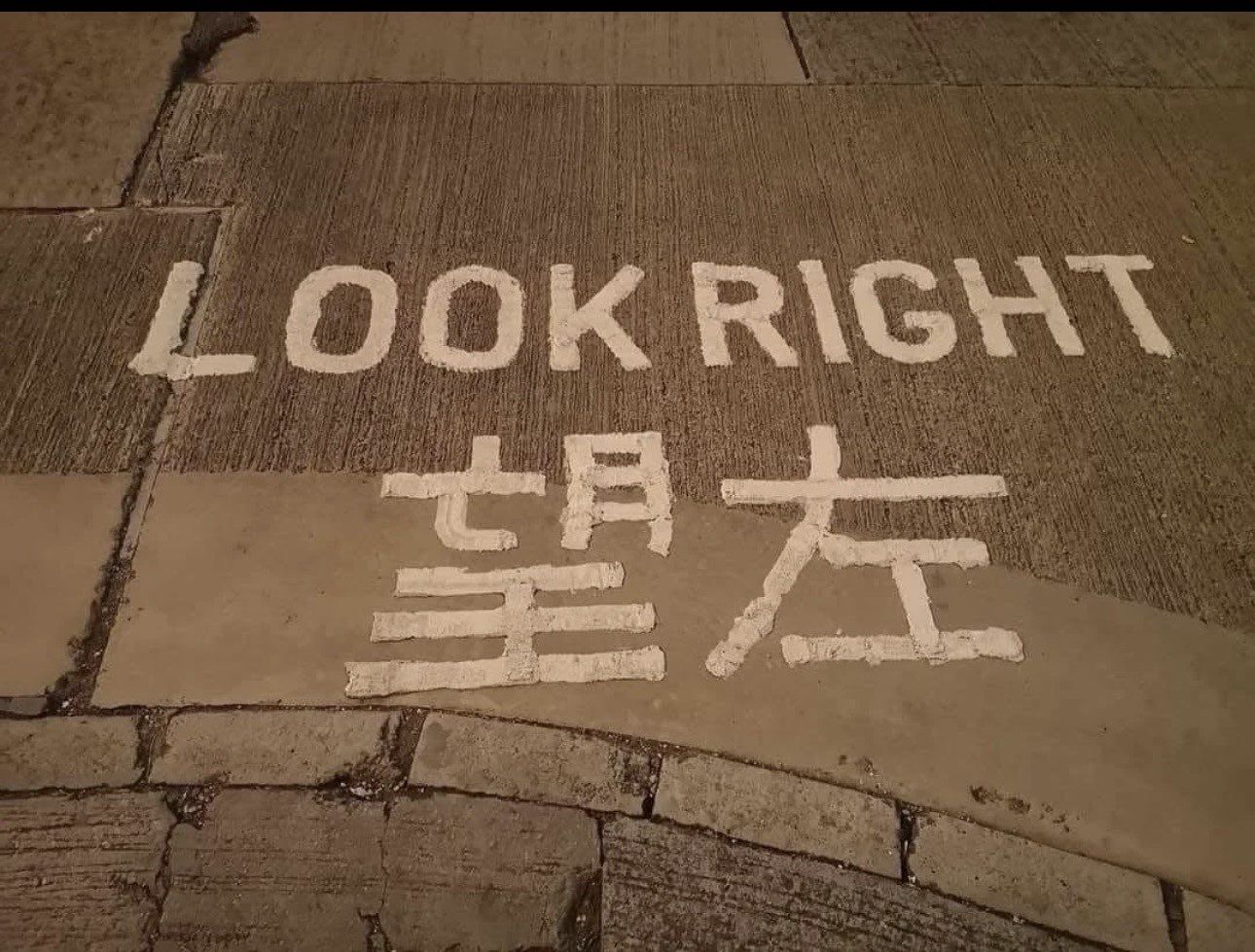
Affective Encoding: Coping with Political Depression through Urban Wall Writing in Post-2020 Hong Kong

In 2023, the Special Interest Group on Computer Graphics and Interactive Techniques (SIGGRAPH) conference and exhibition, held in Sydney, featured an interactive installation by Miu Ling Lam titled Erased Murmurs. The art piece drew attention to the ever-vanishing graffiti in the artist’s hometown, Hong Kong. In Lam’s description, Erased Murmurs centred on affective, sentimental poems […]

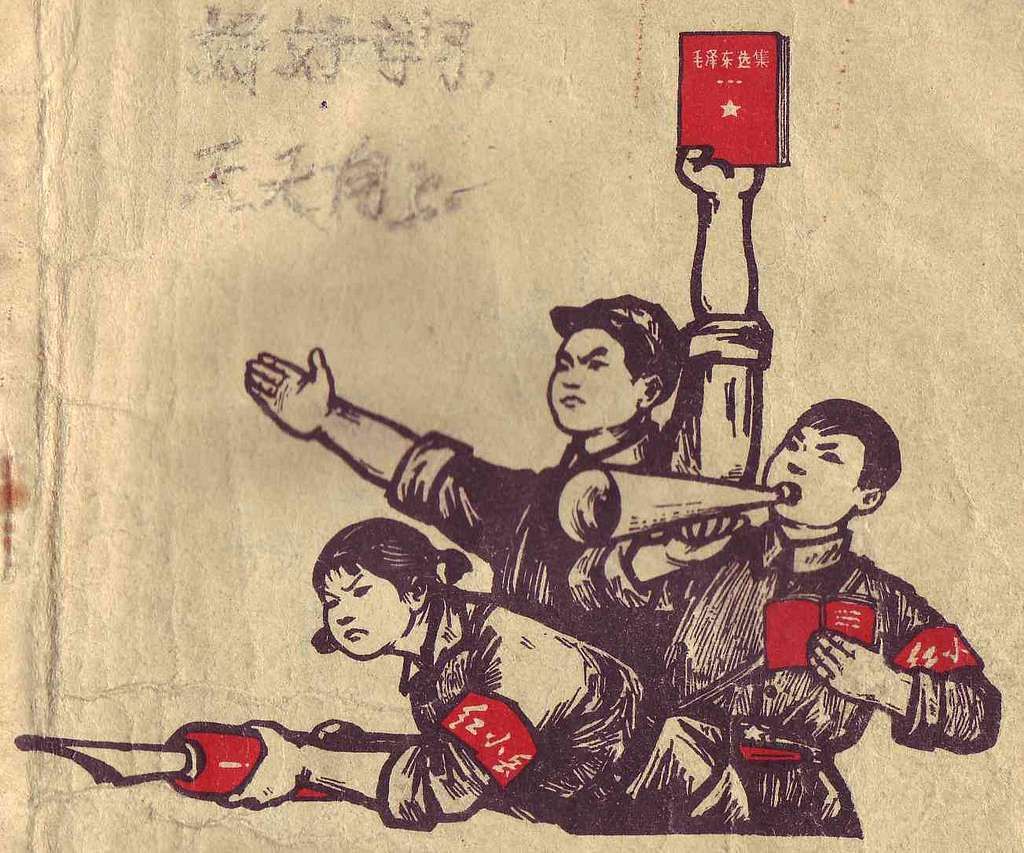
Repetitive Cycles

Intergenerational Perspectives on Historical Stock Market Failures in China

This essay examines how Chinese retail investors make sense of repeated stock market failures across generations. Drawing on ethnographic research, it analyses the recurring discourse of ‘defending the 3,000 points’ on the Shanghai Stock Exchange Index as a generational joke that reflects deeper temporal attachments to the market. I argue that intergenerational memories of loss do not necessarily discourage participation but instead reinforce it, as failures are reframed within the investors’ experience of improvement and narratives of national development. Through this process, disappointment is normalised

Navigating Hope and Exhaustion through the Art of Publishing

A Conversation with Yun Chen from 51 Personae

The Chinese Government imposes strict controls on publishing through both formal legal mechanisms and informal, arbitrary enforcement. Within this institutional context, independent publishing that does not rely on state-authorised or major commercial publishers is inherently precarious, therefore demanding constant resilience and creativity. 51 Personae is a notable independent publishing project that was born in this […]

Temporal Fugitives and Anita Mui

Cultural Memory amid Political Rupture

This essay examines how collective memory of the singer Anita Mui unfolds across cultural productions in post-2019 Hong Kong. It begins with an analysis of memorial narratives associated with the 2021 biographical movie Anita, then examines a 2023 public debate about urban planning for museums, including the Hong Kong Heritage Museum, which at the time hosted an exhibition about the singer. Tracing the online circulation of memory narratives, the essay introduces the concept of ‘temporal fugitives’ to describe those who strategically withdraw from a politically turbulent present by retreating into a reconstructed past to seek solace.

The Pacific as a Mirror

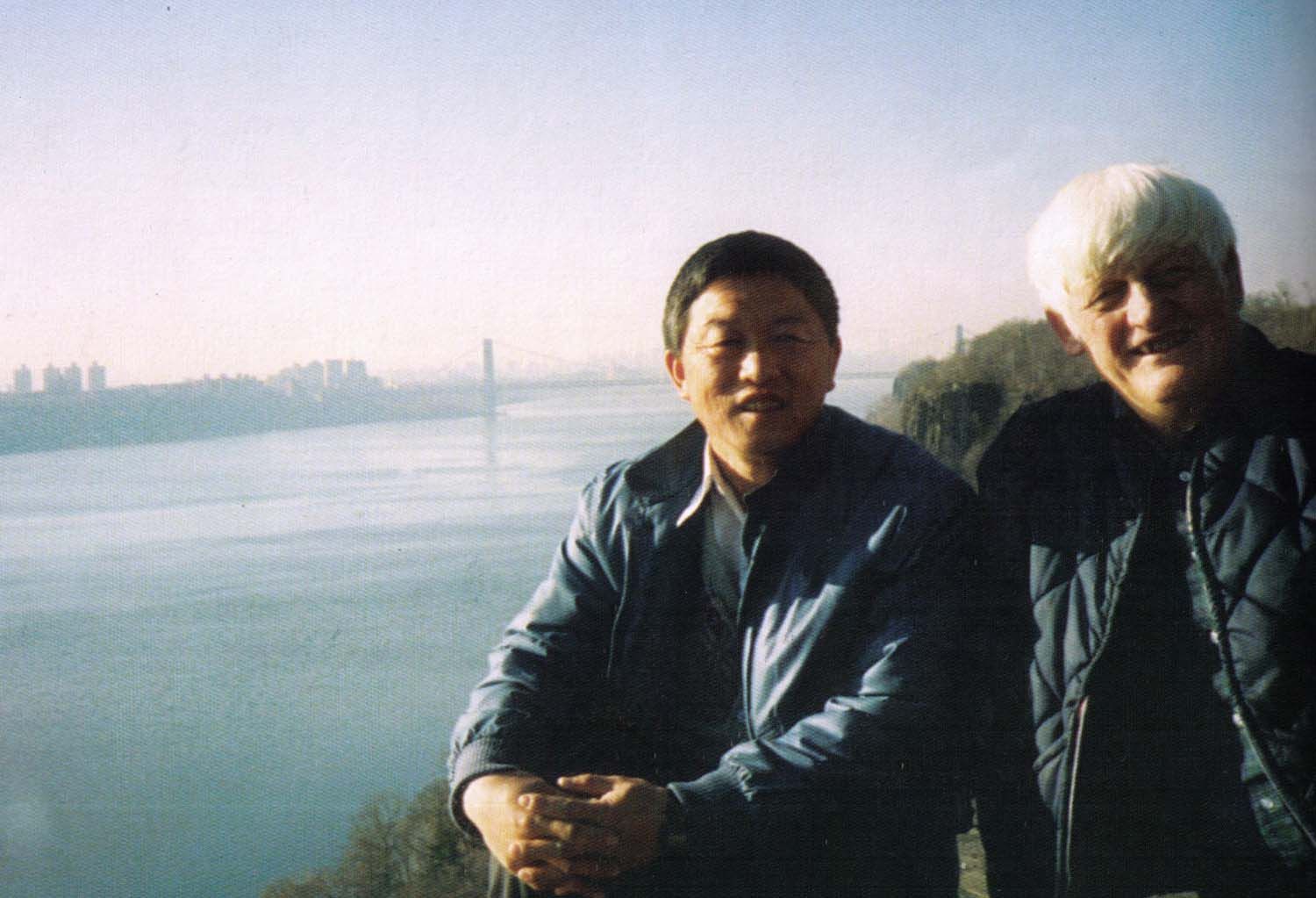
One evening in the early 1960s, physicist Chen Ning Yang took a train from New York City to Long Island. An elderly Chinese man sat next to him and the two struck up a conversation. Born in the central Chinese city of Hefei in 1922, Yang moved across the Pacific at the end of World […]

Episode 8 | The Poetic Justice of Queer China

From royal court legends to a seventeenth-century deity, gay people have been part of Chinese life and literature for millennia. Since the 1990s, legal reforms and deeper integration into global capitalism have fostered new avenues for civic action. Queer Chinese activists have fought for their rights in the courts, through legislative channels, and by garnering […]

From Revival to Erasure: Ebbs and Flows of Judaism in Kaifeng

Foreign missionary contact, the rise of nationalism, and ethnic identification work undertaken under the rule of the Chinese Communist Party culminated in the construction of ‘Jews’ as an ethnic identity altogether foreign, resulting in the suppression of recent efforts to revive Sinicised Judaism in Kaifeng. Despite continued efforts by and optimism among some groups, a revival of any kind would be impossible without a reassessment of the Chinese nation itself.

Is It Possible to Be an Independent Scholar in China Today?

At the end of 2024, as my postdoctoral appointment at a Chinese university was ending, I found myself at a professional crossroads. During the previous two years, based in mainland China as an anthropologist, I had experienced at first hand the constraints that institutional academia imposes on writing and public speaking. This led me to […]

Episode 7 | Being Muslim in China

This month, China’s National People’s Congress held its annual meeting and passed a new law on ‘promoting ethnic unity and progress’. The legislation further codifies the suppression of non-Han languages and customs in China in the name of national cohesion and civilisational uplift. For years, the Party-State has dictated the correct way to be Chinese […]

Subscribe to Made in China

Made in China publications are open access and always available as a free download. To subscribe to email alerts for each issue of the Journal, newly published books, and information about upcoming events, please provide your contact information below.


Back to Top