
Poetry after the Future

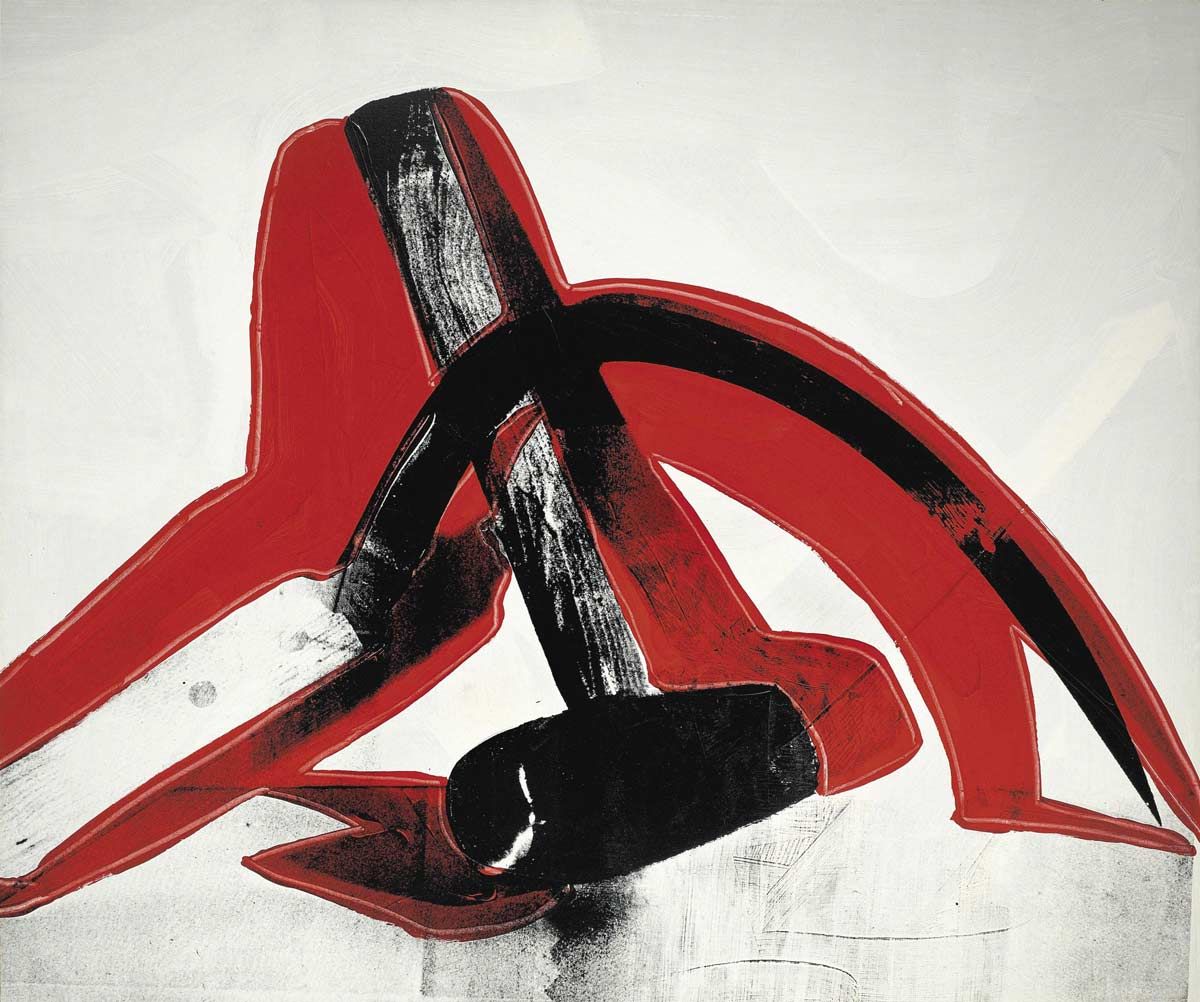
In this essay, Sorace reads migrant-worker poetry alongside Marx to index the trace of a different future in the exploitation and alienation of the present. Worker poets write about lost youth, severed fingers, irregular periods, and labour congealed in commodities for export. The future promised by communism has been erased by a seemingly eternal capitalist present. To dream again requires new acts of poetic and political imagination.

Download PDF

A Proletarian Nora: Discussing Fan Yusu

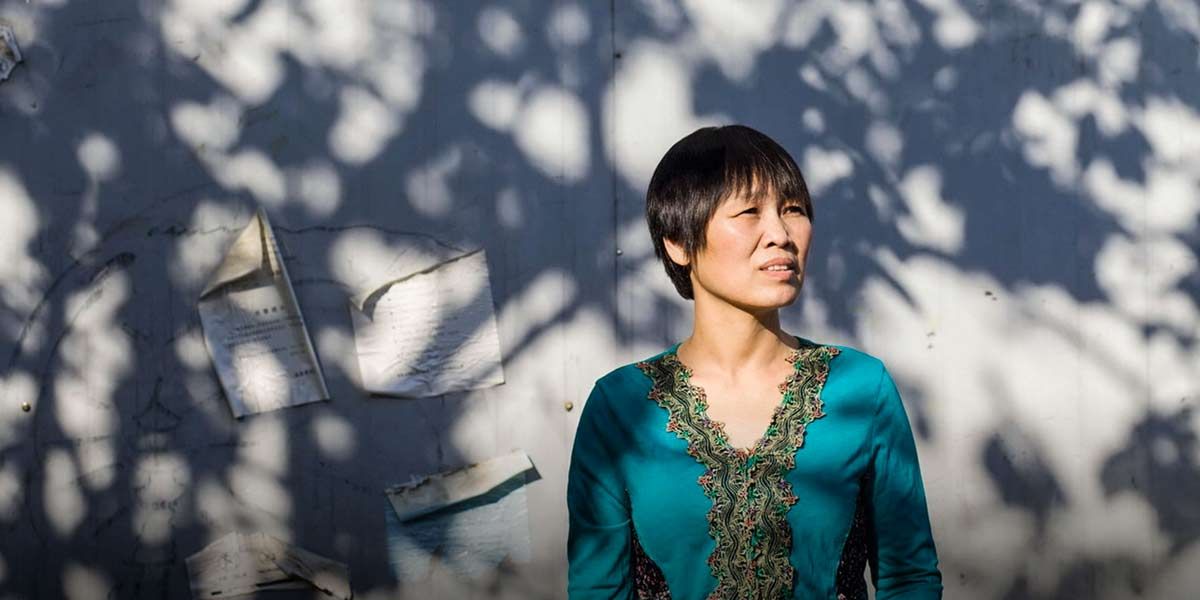
In 2017, migrant worker Fan Yusu became an overnight sensation in China after publishing her memoir online. Despite the fact that she has produced several more literary works, her artistic production is seldom considered from a literary perspective. To fill this gap, this essay endeavours to analyse some of the main elements that shape Fan’s output, arguing that it is an exemplar of contemporary working-class literature.

Download PDF

Risk: The Hidden Power of Art Creation

Performance artists have been subjecting their bodies to physical ordeals, risk, and even the possibility of death. In this essay, Cai Qing introduces famous examples of performance art in China and abroad that entailed violence done to the body. Under China’s authoritarian model of capitalism, the body is subject to numerous cross-cutting disciplinary forces; to invent something new, the performance artist must jump into the unknown.

Download PDF

How Does the Phoenix Achieve Nirvana?

In the spring of 2007, at the first meeting of the Asian Council at the Guggenheim, while introducing his works Chinese artist Xu Bing mentioned Joseph Beuys and Mao Zedong. Beuys is an object of emulation for China’s ‘85’ [1985] new art movement. When Xu first arrived in the United States and heard a recording […]

Download PDF

Punish and Cure: Forced Detox Camps, Reeducation through Labour, and the Contradictions of China’s War on Drugs

By drawing on the life histories of 20 former and current heroin and methadone users in Yunnan Province, this essay explores the history, the logic, and the functioning of China’s anti-drugs camps. It shows how the tight intertwining of public health and public security models to fight against drug use has given rise to a contradictory policy landscape, whereby medical support always coincides with physical violence, social exclusion, and continuous surveillance of the bodies and the movements of Chinese addicts.

Preventative Policing as Community Detention in Northwest China

A preventative policing system in the Xinjiang Uyghur Autonomous Region has detained as many as 1.5 million Turkic Muslims deemed ‘pre-terrorists’ or ‘extremists’. This essay shows how a counterinsurgency mode of militarism that emerged in the United States, Israel, and Europe, has been adapted as a ‘Xinjiang mode’ of community policing in China. It argues that the scale of detentions and the use of surveillance technology make the ‘Xinjiang mode’ of counterinsurgency unprecedented.

Forced Internment in Mental Health Institutions in China

In China, people with mental disorders may be committed to mental hospitals for treatment in accordance with either the Mental Health Law or the Criminal Procedure Law depending on the specific situation. This essay gives a brief introduction to the two institutions involving forced deprivation of liberty of the mentally ill; compulsory treatment and involuntary hospitalisation. By comparing these two institutions, it also points out their shortcomings and some possible steps forward.

Systematising Human Rights Violations

The People’s Republic of China has a long history of abusive coercive custody—from administrative reeducation through labour to forced incarceration in police-run psychiatric facilities and extra-legal black jails. Through recent legislative and constitutional amendments China has attempted to systematise human rights abuses behind the veneer of the rule of law. But in institutionalising arbitrary and secret detention, China is in stark violation of international human rights law and fundamental norms.

The Power to Detain in a Dual State Structure

After four decades of legal reform, what kind of progress have the Chinese authorities made in controlling the power to detain, reducing its arbitrariness, and making the repressive arm of the state legally accountable? Has the fear of police power, in particular the proverbial panic of a knock at the door in the middle of the night, been reduced or increased? This essay argues that there are both changes and continuities, as the power to detain is largely defined and shaped by China’s regime type.

Harsh Justice?

What makes a penal system ‘harsh’? Can penal severity be compared across time and place? In the case of China, the question of how to evaluate relative severity in punishment is not just methodological; it is also political. This essay discusses why this type of comparison is sensitive, and why nonetheless it is not possible to avoid talking about it. The article suggests a variety of approaches for assessing penal severity in China, and cautions against relying on any one of them.

Subscribe to Made in China

Made in China publications are open access and always available as a free download. To subscribe to email alerts for each issue of the Journal, newly published books, and information about upcoming events, please provide your contact information below.


Back to Top