
Accidental Activists: The Resistance of the ‘709’ Wives

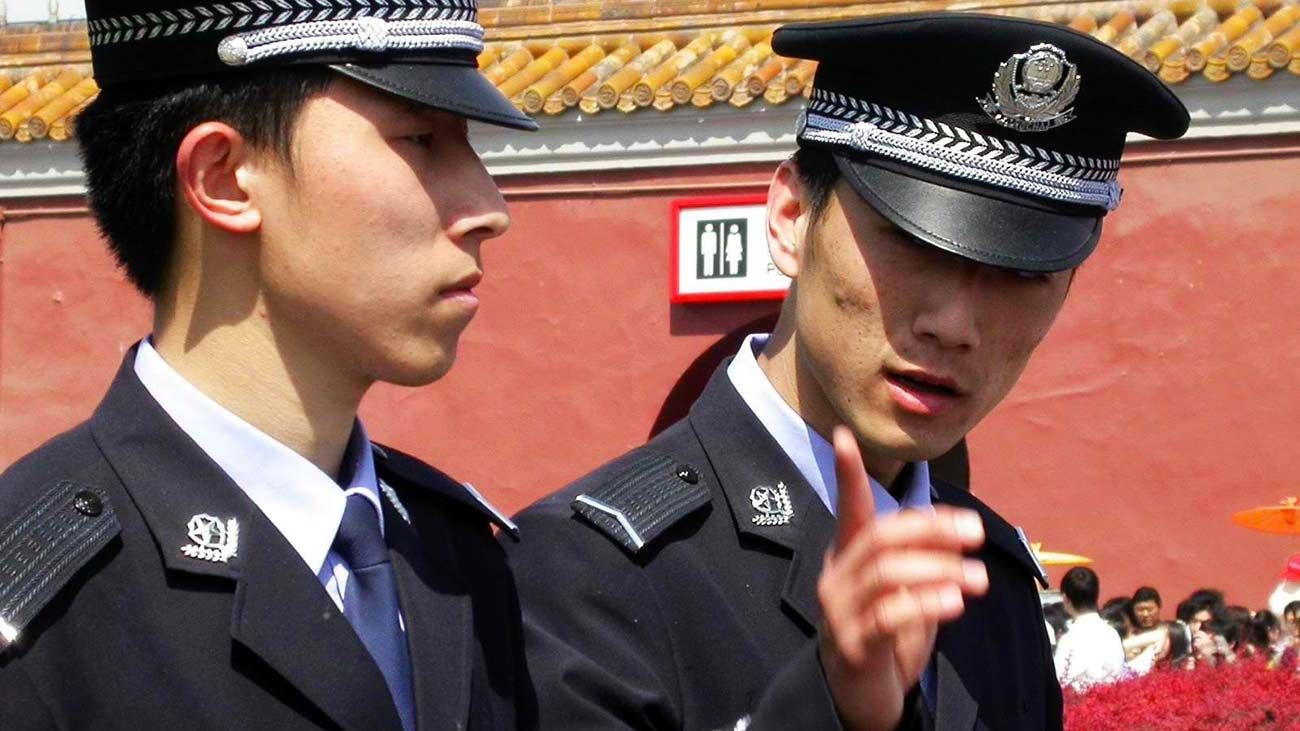
The crackdown of 9 July 2015 saw hundreds of lawyers and legal activists called in by the police or official lawyers’ associations for questioning. While many were released in a matter of hours or days, a number disappeared into China’s system of ‘residential surveillance in a designated location’. In this essay, Nicola Macbean details how the wives of these lawyers have coped with the detention of their husbands and how they have been experimenting with new forms of campaigning that draw strength from Chinese tradition.

The Plight of Sex Workers in China: From Criminalisation and Abuse to Activism

To this day, the Chinese Party-state perceives sex work as a violation of the human rights of women. Therefore, the Chinese authorities believe that sex workers need to be rescued and reeducated, and regularly subject them to periodic crackdowns and long spells of detention in ‘rehabilitation education centres’. In this essay, Tiantian Zheng highlights how policies of this kind have not only fuelled violence, exploitation, abuse, and health risks among Chinese sex workers, but have also had terrible consequences for public health in China.

Global Connections: Chinese Feminism, Tibet, and Xinjiang

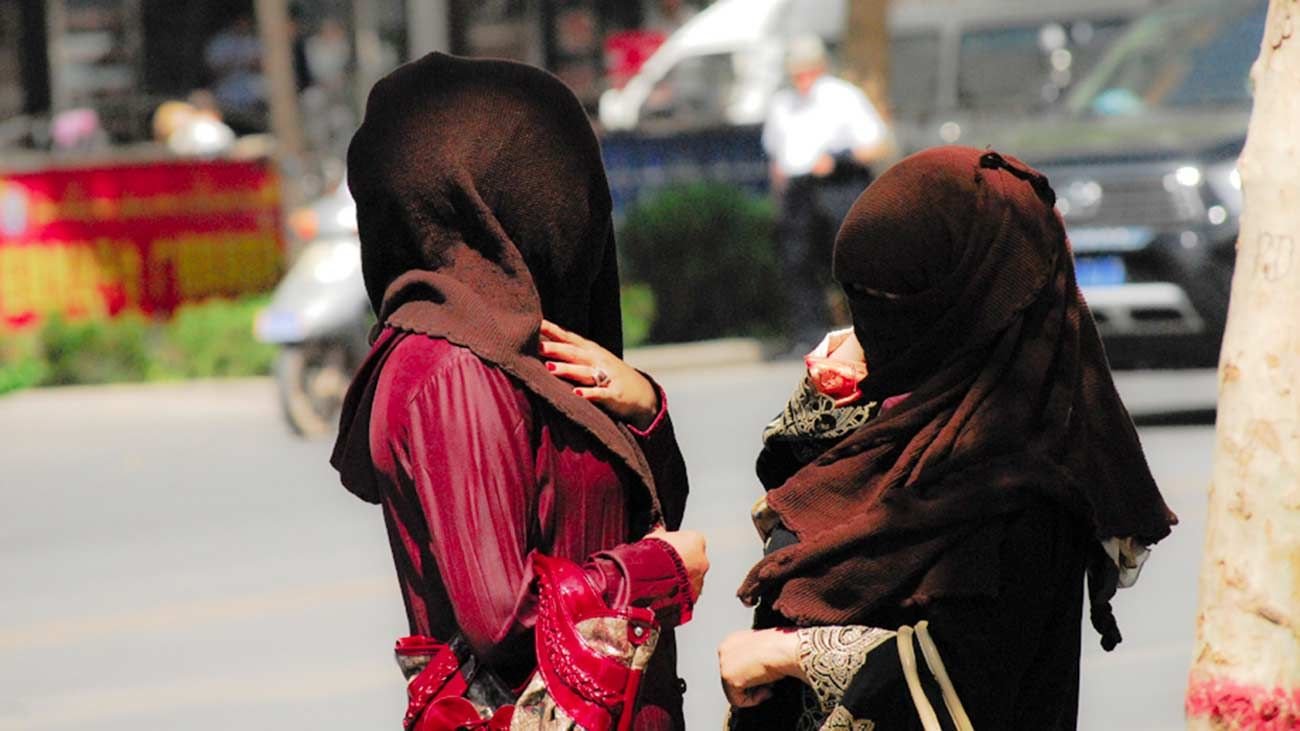
While the Chinese feminist movement is good at making international connections and is characterised by an explicit concern for intersectionality, it generally overlooks how experiences of gender and ethnicity in China overlap in complex and often brutal ways. In this essay, Séagh Kehoe looks into the plight of women and ethnic minorities in the borderland areas of Tibet and Xinjiang, and argues for increased attention and social mobilisation from abroad to address these issues.

Does China Have a Feminist Movement from the Left?

The detention of the ‘Feminist Five’ in March 2015 and the subsequent international campaign to free them marked a watershed moment for contemporary feminist movements in China (Wang 2015; Li 2017; see also Ristivojević’s essay in this issue). While Chinese women joined global feminist movements as early as the turn of the twentieth century, when […]

Chinese Feminism as We Know It: Public Pedagogies of the Anglophone Media Space

Anglophone media have been reporting about women’s activism in China since the mid-1990s. While sympathetic media coverage of the public performances of young Chinese feminists in the early 2010s gradually built up popular knowledge, interest, and support among the global audience for grassroots feminist activism in China, the arrest of the ‘Feminist Five’ in 2015 brought forward a new set of narratives.

Anti-poverty Policies and Discourses of Blame in China

Under Xi Jinping, the Chinese authorities have promised to eradicate rural poverty in the country by 2020. Since it was first announced, this goal has entered the popular imagination, becoming a major engine of policy innovation. A new report prepared by a special group within the Standing Committee of the National People’s Congress on the occasion of its 2019 session offers an assessment of progress in poverty reduction, providing up-to-date targets and candidly discussing contradictions within the poverty alleviation strategy

Against Atrophy: Party Organisations in Private Firms

Since 2015, the Chinese Communist Party has stepped up its presence within the day-to-day activities of foreign companies operating in China. At the same time, Chinese private firms were facing a similar situation. In this essay, Jude Blanchette argues that the campaign to enlarge the reach of the Party into private companies cannot be separated from its much wider campaign to increase the Party’s governance over all institutions under its purview, in an attempt to arrest the organisational atrophy that accompanied the post-Mao economic reforms initiated in the late 1970s.

Hidden Rules and the ‘Heartache’ of Chinese Government Officials

The rate of suicides among Chinese officials has been growing in recent years. According to media reports, these officials decide to end their lives because they suffer from psychomedical conditions, including excessive pressure, anxiety, and depression. Still, medical causes might not be enough to explain such a disturbing phenomenon. In this essay, Jie Yang argues that Chinese bureaucratic culture, particularly the workings of ‘hidden rules’, as well as complex power struggles and gender norms, play a fundamental role in causing these deaths.

State Repression in the Jasic Aftermath: From Punishment to Preemption

Although several months have passed since the Jasic struggle (Zhang 2019), in the aftermath of the mobilisation labour activism remains under assault in China. On 20 January, five activists involved in various labour NGOs in Shenzhen were unexpectedly arrested (Elmer 2019). They were picked up by Shenzhen police in Shenzhen, Guangzhou, and Changsha. Among them, […]

Subscribe to Made in China

Made in China publications are open access and always available as a free download. To subscribe to email alerts for each issue of the Journal, newly published books, and information about upcoming events, please provide your contact information below.


Back to Top