
To Whom Does Ethnic Folk Dance Belong?

Ethnic Politics and Individual Bodies in Contemporary Chinese Dance
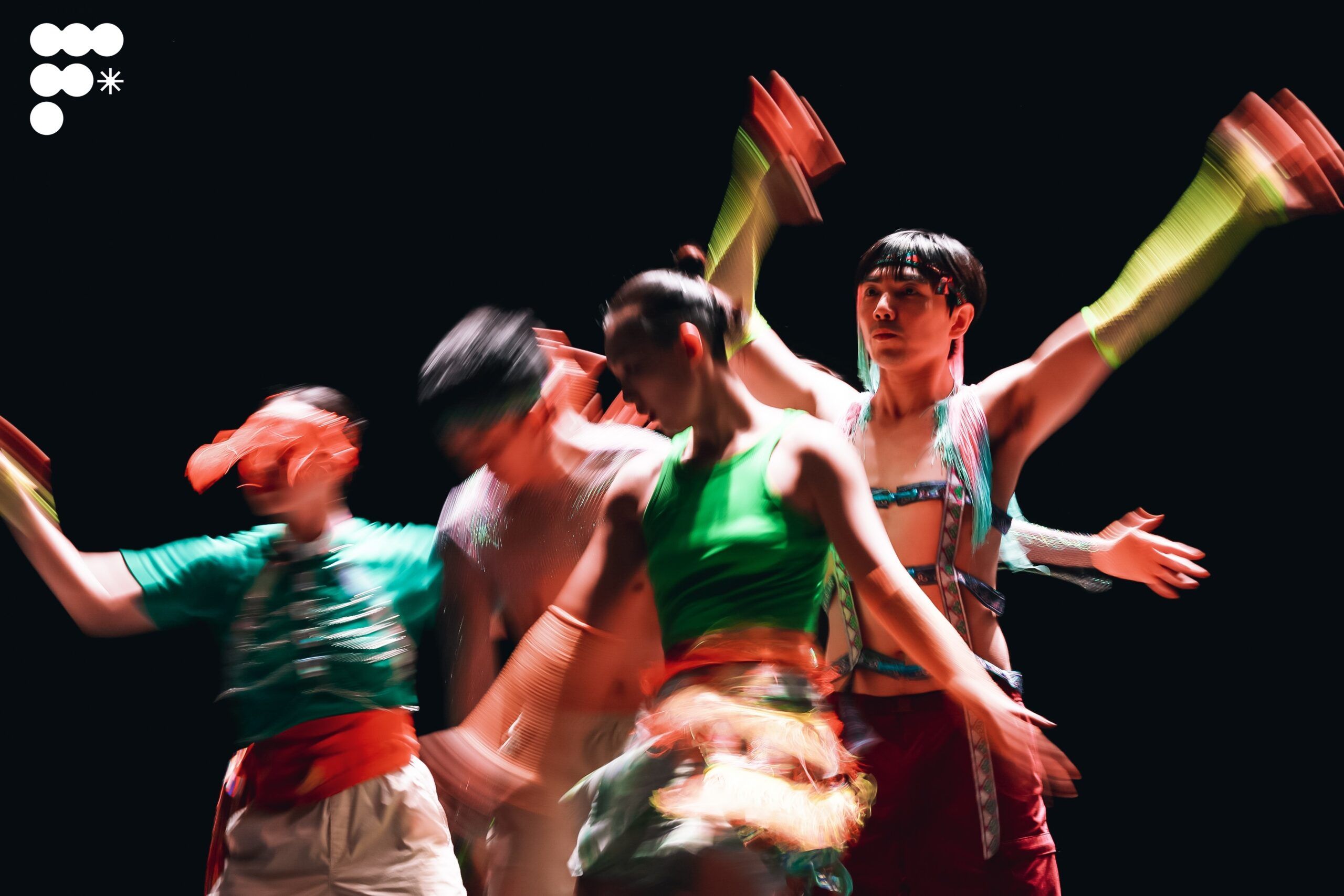
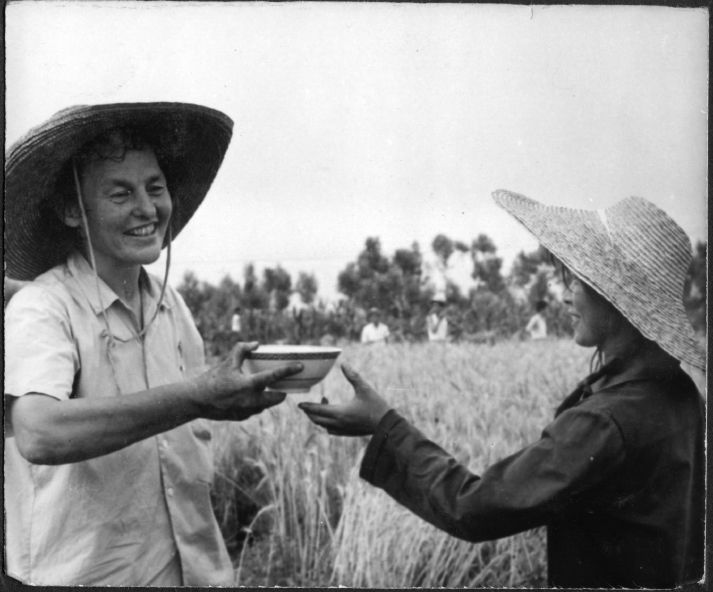
Dance from and by ethnic minorities constitutes a significant part of how people perceive both ethnic minority cultures in China and Chinese dance at large. However, observers often miss how the staging of contemporary Chinese ethnic folk dance is not a direct representation of some original ‘folk body’. It is, rather, the accumulated product of […]
Secretary Wang’s American Friend: William Hinton and the Long History of ‘Fanshen’

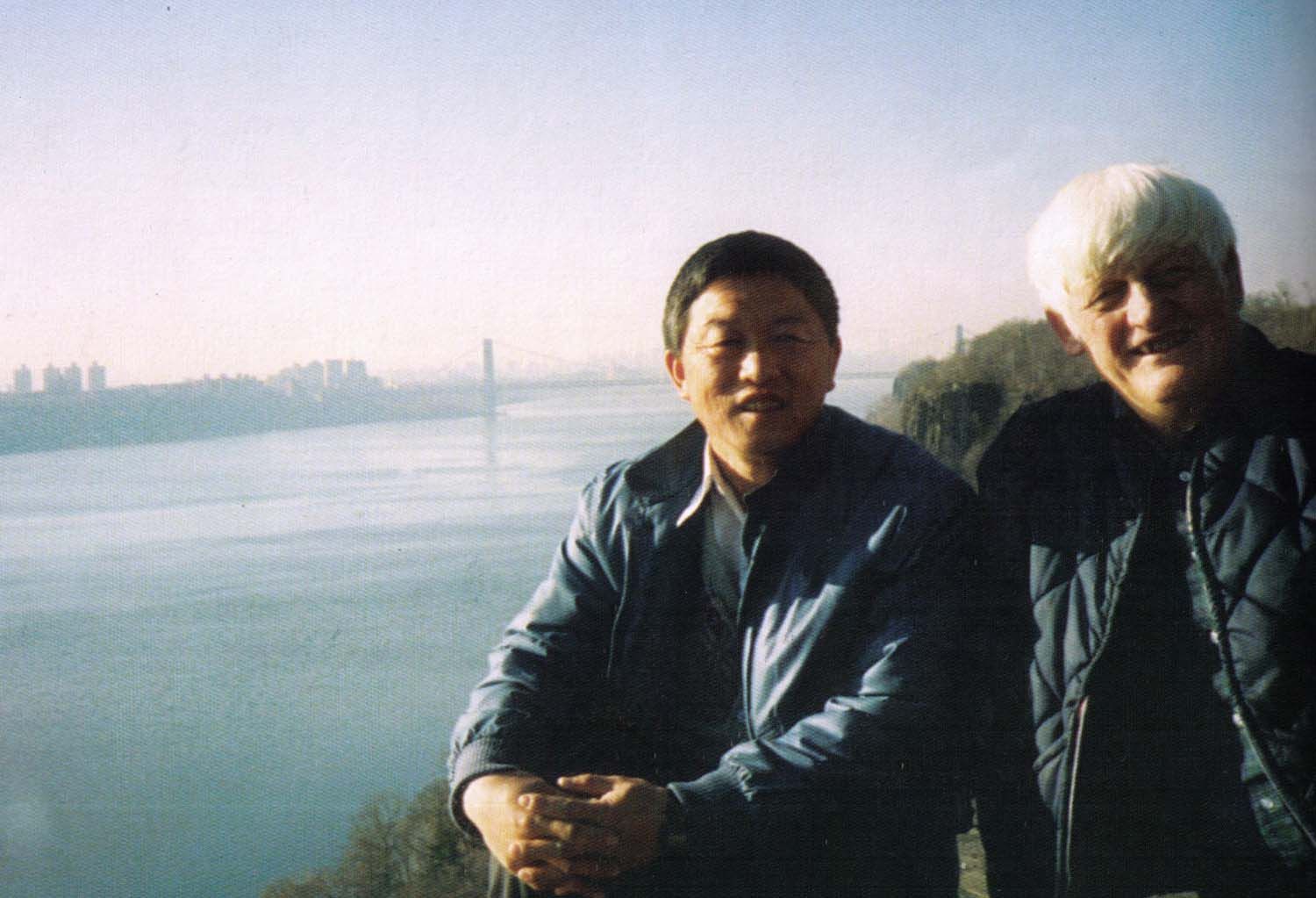
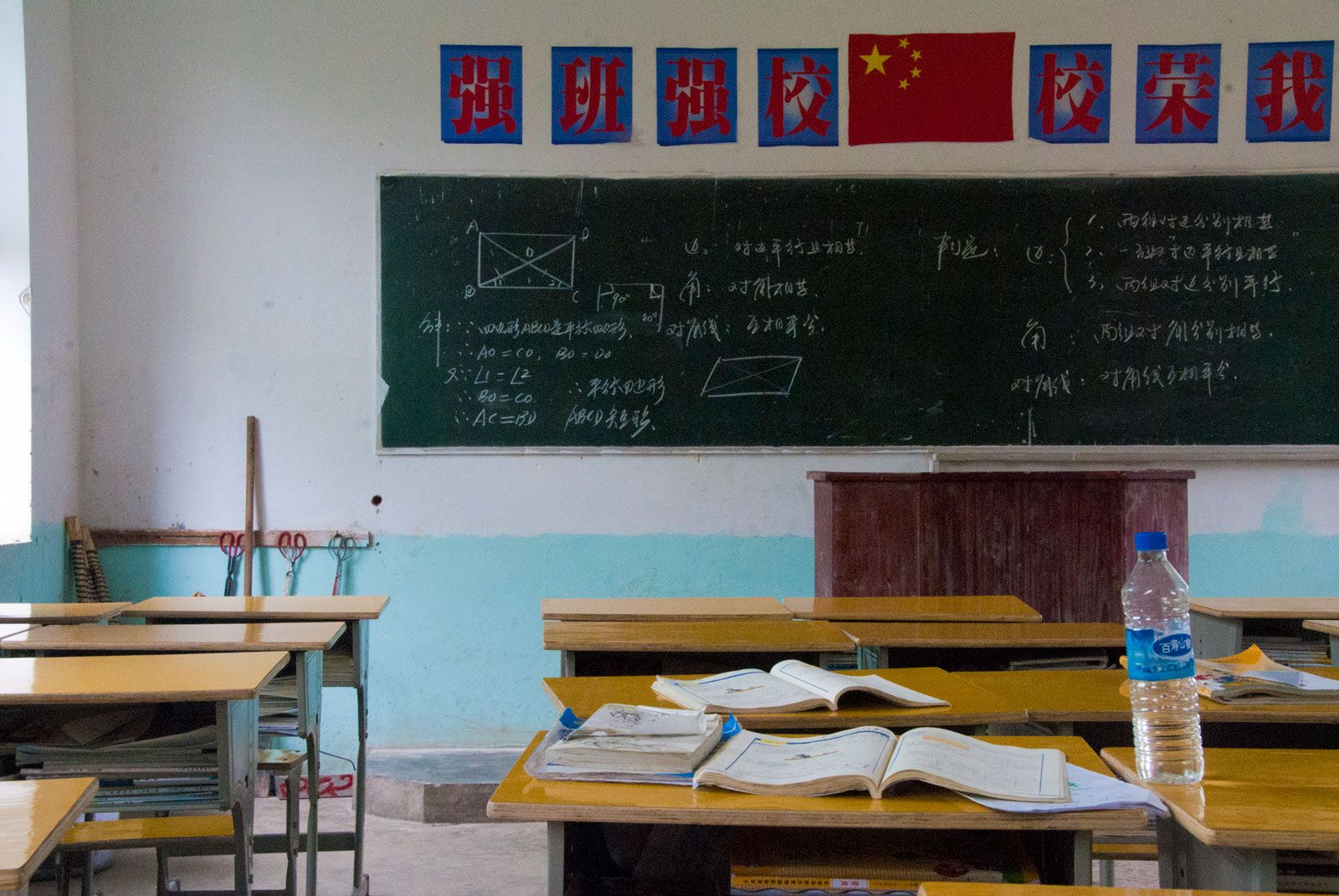
The road to Long Bow used to be much longer. When American agronomist and author of Fanshen (1966), William Hinton, made the journey to this seemingly unremarkable village in the autumn of 1947, he spent weeks navigating the North China Plain. Travelling at the height of the Chinese Civil War, he traversed territories held by […]

Rethinking Comrade and Foreigner

Joan Hinton and the Boundaries of Belonging in Maoist China

This essay rethinks the place of foreign Maoists in the People’s Republic of China through the case of Joan Hinton, one of the most prominent American supporters of the Chinese Revolution. Drawing on newly examined archival materials from her 1963 visit to Shanghai, it argues that Hinton’s position in Maoist China was defined by a structural duality: she was celebrated as an internationalist symbol yet governed as a foreign subject. The archives further reveal a deeper mismatch between what American Maoists understood as the socialist project—egalitarian reform, labour rights, everyday justice—and what the Chinese Communist Party prioritised: geopolitical alignment, diplomatic utility, and national security.

Download PDF

The Decline of Pity Party

Lessons from Grassroots Mental Health Activism in China

A pink and green poster with a bird and a clock.

This essay examines the rise and fall of Pity Party, a series of grassroots mental health art exhibitions that sought to challenge the individualisation and medicalisation of depression while creating dialogical, community-based spaces for healing. By tracing the exhibition practices across different stages between 2017 and 2025, the article highlights the political possibilities created by […]

Download PDF

The Pacific as a Mirror

One evening in the early 1960s, physicist Chen Ning Yang took a train from New York City to Long Island. An elderly Chinese man sat next to him and the two struck up a conversation. Born in the central Chinese city of Hefei in 1922, Yang moved across the Pacific at the end of World […]

Download PDF

From Revival to Erasure: Ebbs and Flows of Judaism in Kaifeng

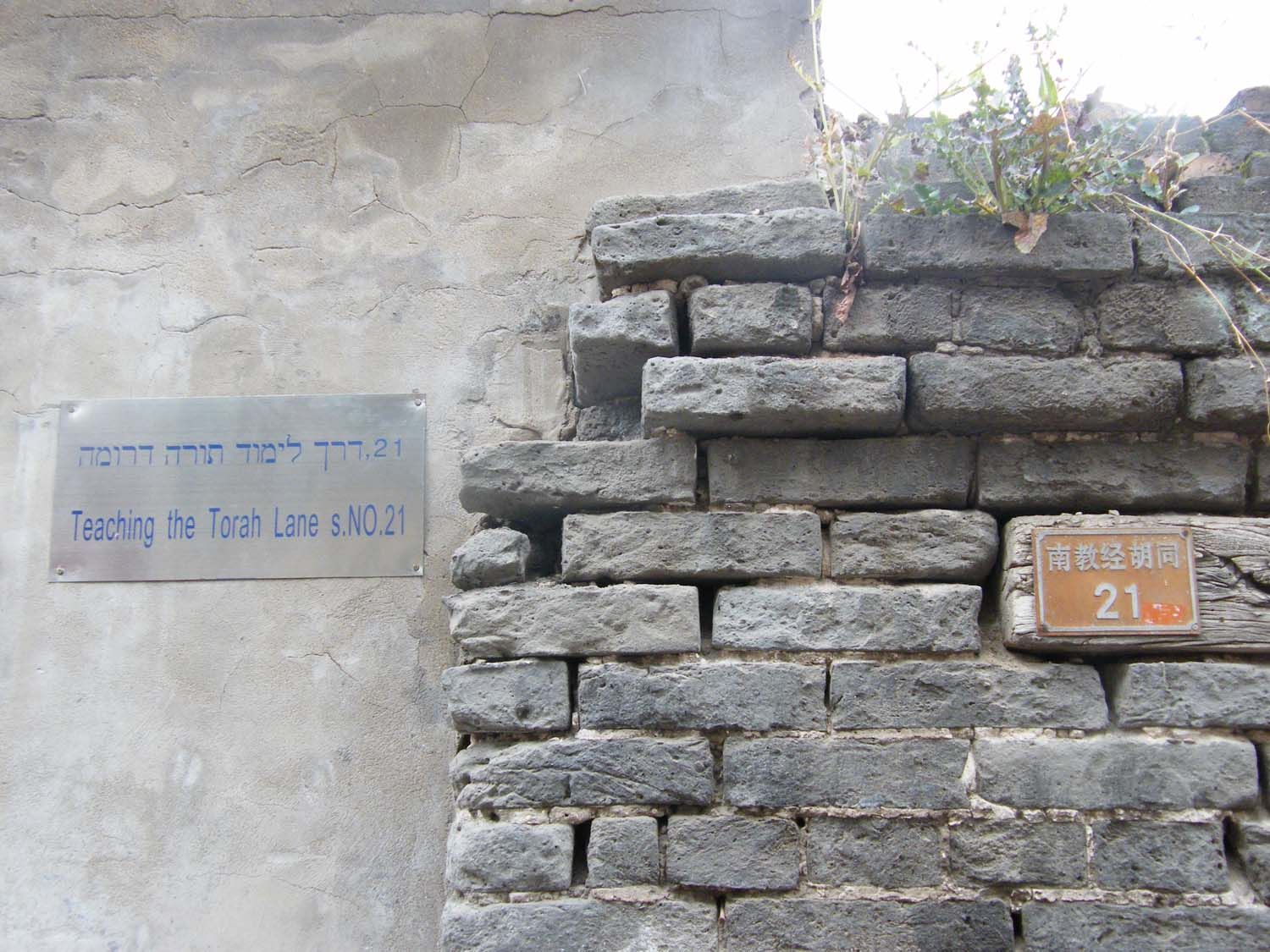
Foreign missionary contact, the rise of nationalism, and ethnic identification work undertaken under the rule of the Chinese Communist Party culminated in the construction of ‘Jews’ as an ethnic identity altogether foreign, resulting in the suppression of recent efforts to revive Sinicised Judaism in Kaifeng. Despite continued efforts by and optimism among some groups, a revival of any kind would be impossible without a reassessment of the Chinese nation itself.

Download PDF

Beyond Zouxian: The Making of Chinese Asylum-Seeking Workers in the US Platform Economy

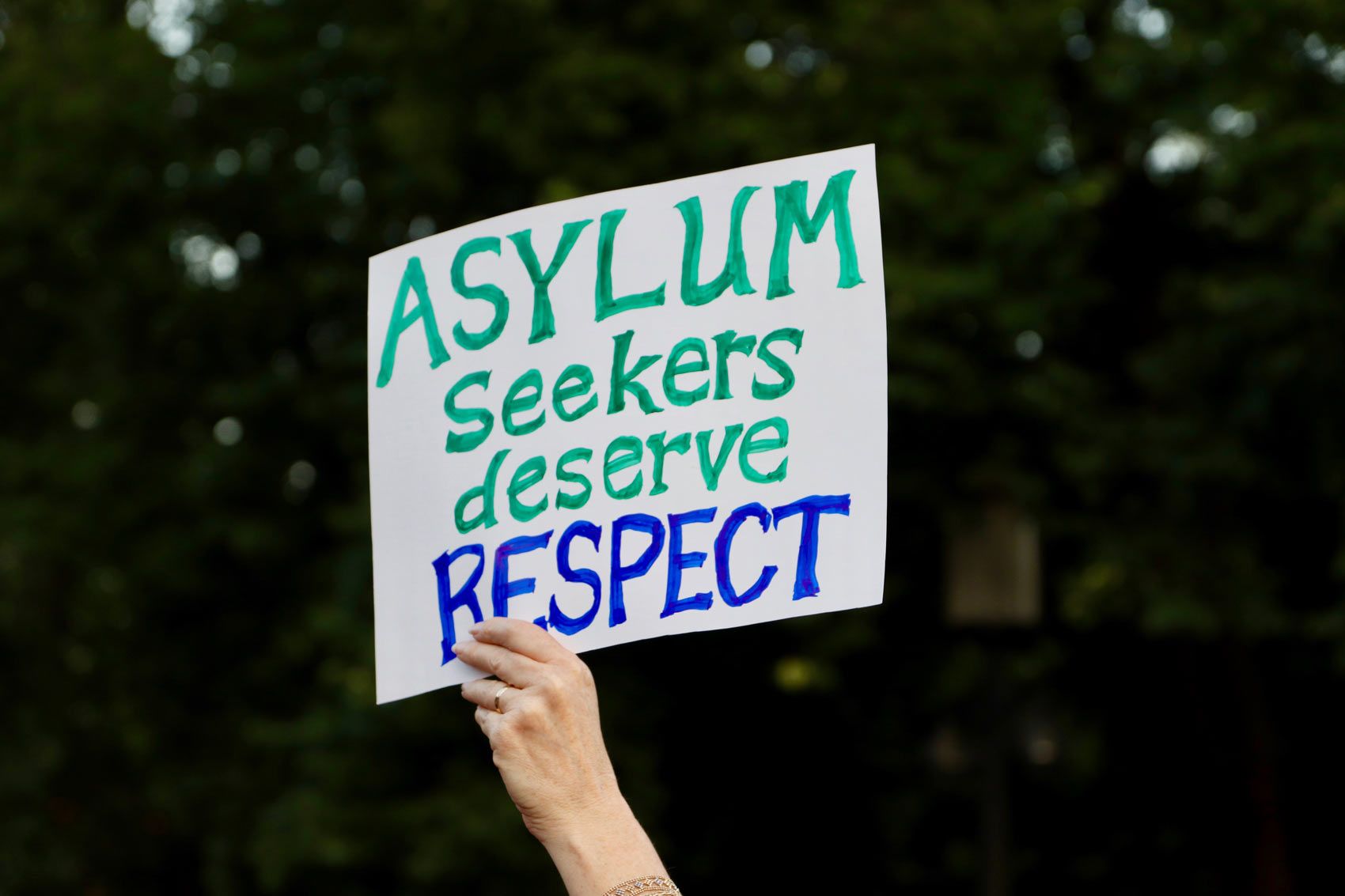
‘Many of us who came and stayed here for more than two years are still stuck in Chinese-speaking communities.’ A Chinese asylum-seeker shared this with us during a conversation in late 2024. The sentiment is striking not because it is unusual, but because it is so widely echoed by Chinese immigrants who have sought asylum […]

Download PDF

Rural Spaces of Digital Labour

Taobao Villages and New Cycles between Tradition and Platformisation

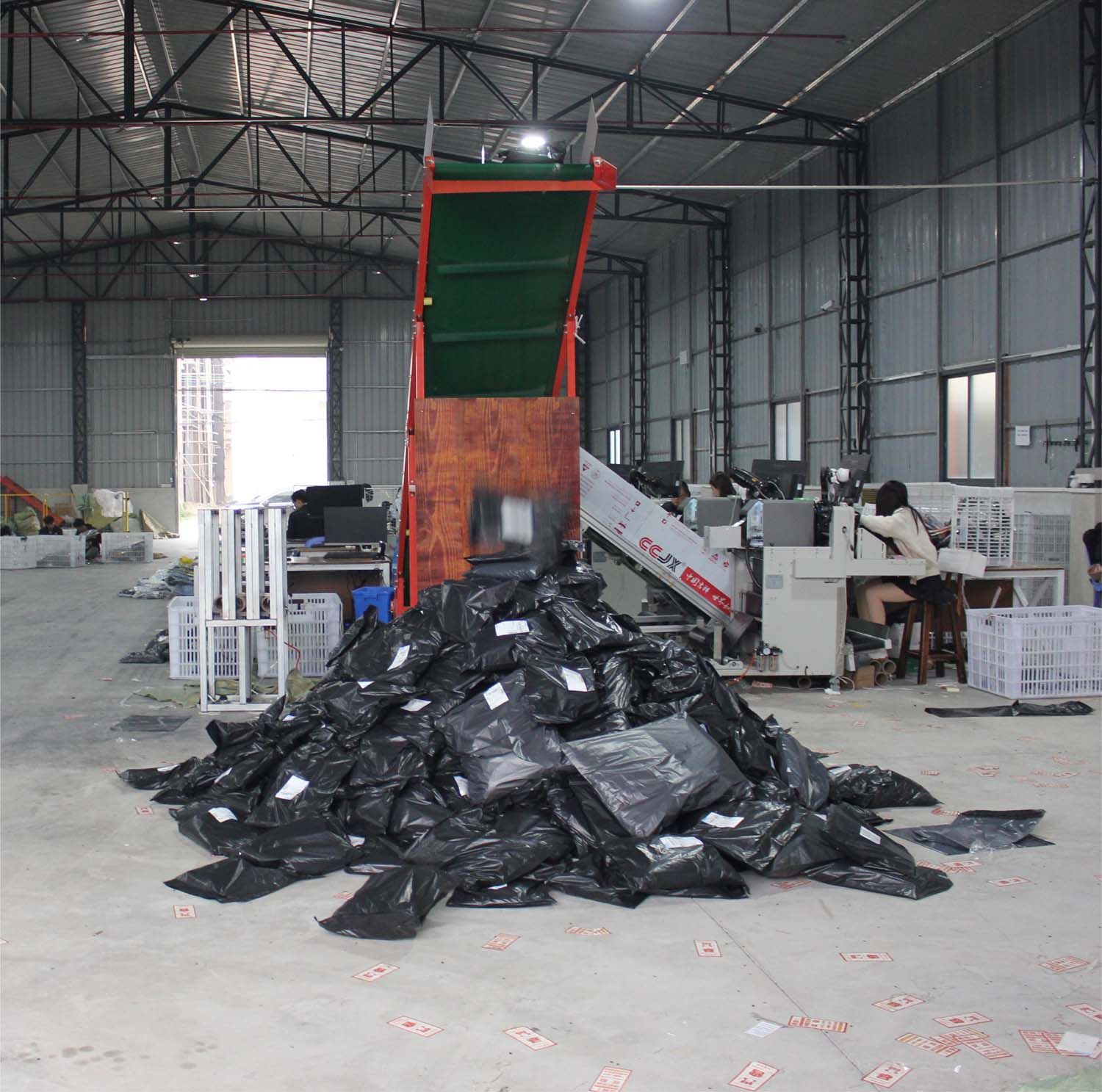
This essay examines ‘Taobao Villages’ as a lens through which to interrogate the new spatial and labour formations produced by the platformisation of rural China. Focusing on Junpucun in Guangdong Province, it argues that these villages exemplify a process of recursive ruralisation: the cyclical return of capital and technology to the countryside. The article positions the rural not as a peripheral residue of urban modernity, but as an active terrain where global capitalism is absorbed, reworked, negotiated, and contested.

Download PDF

The Curious Case of the Cyber-Based ‘New Federal State of China’

This essay examines the cyber-based ‘New Federal State of China’ (NFSC), a transnational movement founded by Chinese businessman and self-described billionaire-in-exile Guo Wengui in alliance with Donald Trump advisor Steve Bannon. Through a digital ethnography of the NFSC’s online ‘farms’, I trace how followers transform exile politics into affective labour—performing loyalty, investing money, and circulating belief as both moral capital and speculative value. The essay argues that the NFSC network exemplifies the logic of communicative and algorithmic capitalism, under which participation substitutes for transformation and faith becomes a fungible asset.

Download PDF

Subscribe to Made in China

Made in China publications are open access and always available as a free download. To subscribe to email alerts for each issue of the Journal, newly published books, and information about upcoming events, please provide your contact information below.


Back to Top