
Repetitive Cycles

Intergenerational Perspectives on Historical Stock Market Failures in China

This essay examines how Chinese retail investors make sense of repeated stock market failures across generations. Drawing on ethnographic research, it analyses the recurring discourse of ‘defending the 3,000 points’ on the Shanghai Stock Exchange Index as a generational joke that reflects deeper temporal attachments to the market. I argue that intergenerational memories of loss do not necessarily discourage participation but instead reinforce it, as failures are reframed within the investors’ experience of improvement and narratives of national development. Through this process, disappointment is normalised

Download PDF

Temporal Fugitives and Anita Mui

Cultural Memory amid Political Rupture

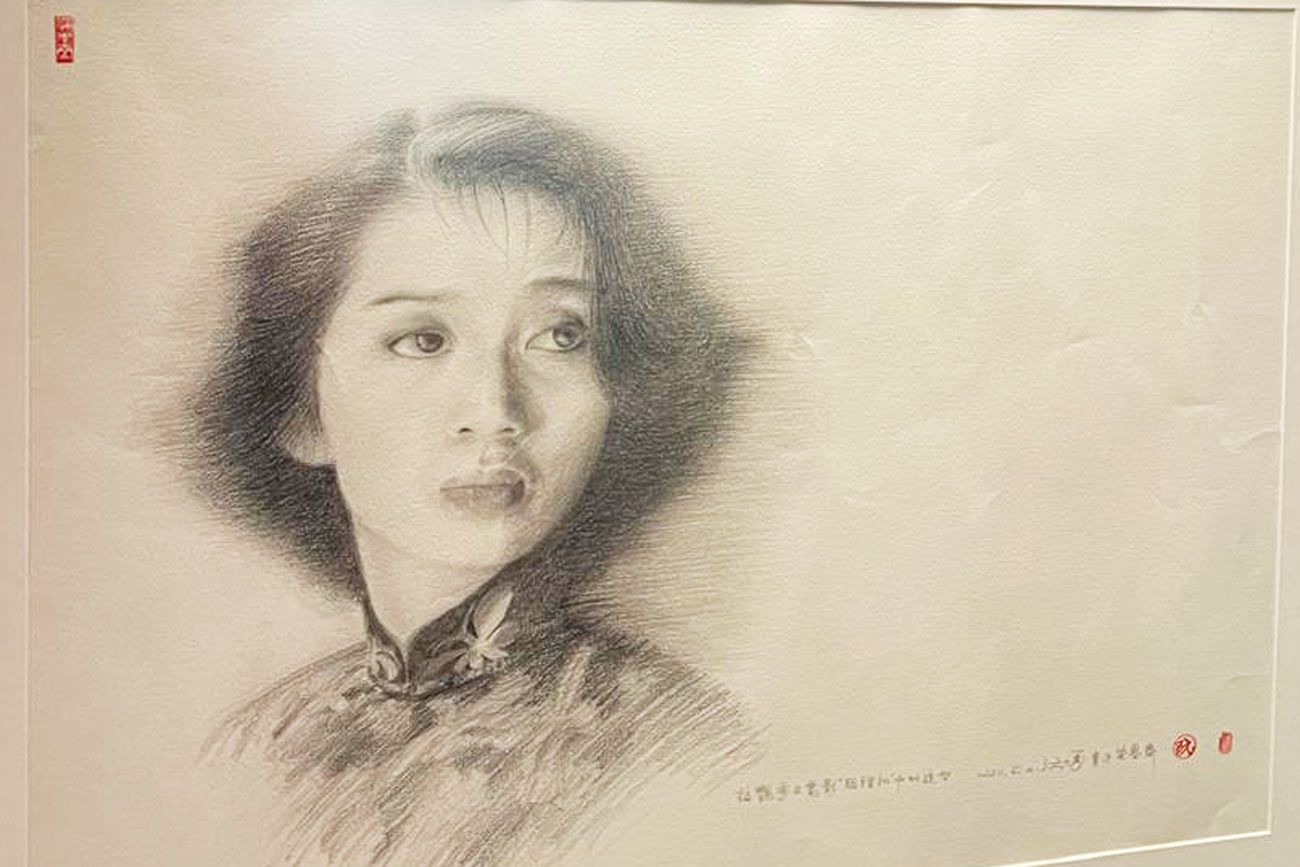
This essay examines how collective memory of the singer Anita Mui unfolds across cultural productions in post-2019 Hong Kong. It begins with an analysis of memorial narratives associated with the 2021 biographical movie Anita, then examines a 2023 public debate about urban planning for museums, including the Hong Kong Heritage Museum, which at the time hosted an exhibition about the singer. Tracing the online circulation of memory narratives, the essay introduces the concept of ‘temporal fugitives’ to describe those who strategically withdraw from a politically turbulent present by retreating into a reconstructed past to seek solace.

Download PDF

Tracing the Unfinished: Human–Plant Encounters and Their Echoes in China’s Interior Frontier

In a town on the edge of a desert, a holoparasitic plant threads together memories of hardship, dreams of prosperity, and the feeling that development has come to a halt. Following centuries of human–plant encounters, this essay explores how China’s interior frontier has been shaped by successive incomplete projects of land reclamation, industrialisation, and nature conservation. Paying attention to this sense of unfinishedness sheds light on how people today live through political depression in China, where the future feels suspended but not entirely closed.

Download PDF

Political Depression and the Afterlives of Neurasthenia

‘Political depression’ (政治性抑郁), first introduced into Chinese online discourse in the summer of 2019, is a term that gained wide circulation during the Covid-19 pandemic. At first, it was associated with anger and despair at the authorities’ mishandling of the Wuhan outbreak and its rapid slide out of control. Later in the prolonged crisis, it […]

Download PDF

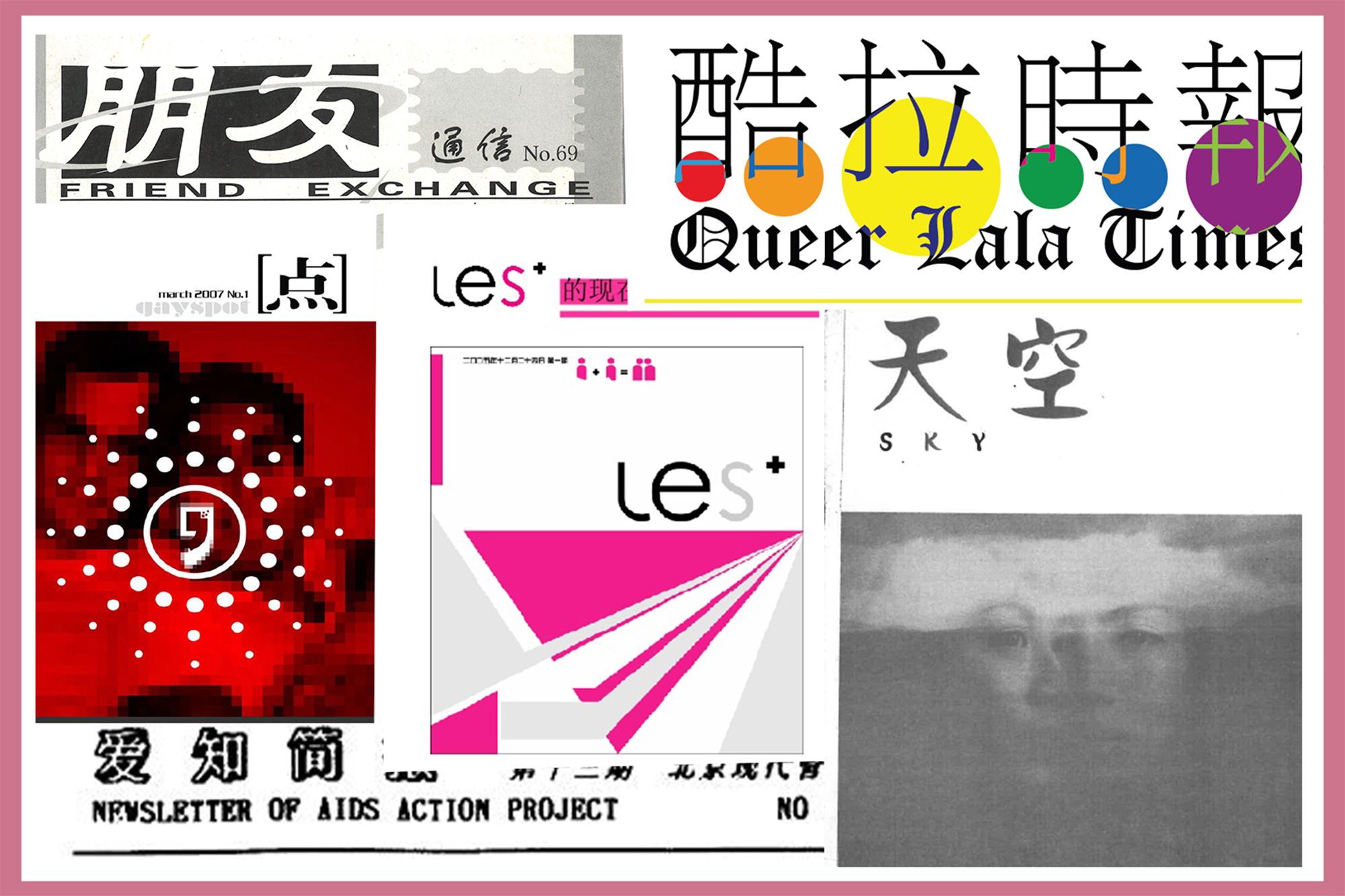
Queer Manifestos: Editorials from Chinese Queer Zines

Since the late 1990s, even amid continuing media censorship and sporadic government crackdowns on LGBTQIA+ activism, there has been a boom in queer groups, organisations, and events in urban China. Self-published queer zines, the Chinese queer version of samizdat, have catalogued the rise and fall of these queer communities and cultures. They have also functioned […]

Download PDF

Performing the Rabbit God

Imagining Queer Identity and Heritage in the Chinese Diaspora

This essay examines how the classical Chinese story of the Rabbit God has been reinterpreted in the global Chinese diaspora in recent years. Using the examples of Andrew Thomas Huang’s 2019 film The Kiss of the Rabbit God, the author’s 2024 poetry collection The Passion of the Rabbit God, and artist FJ’s Rabbit God performance at the ‘We Are LGBTQIA+ ESEA’ exhibition held in 2025, the article showcases some creative ways in which the Rabbit God story has been reimagined for cultural and political purposes, advocating an open and undogmatic approach to queer Chinese identity and heritage. 


Download PDF

Queer Festival Troubles

What the Beijing Queer Film Festival Reveals about Queer Subjectivity in Contemporary China

This essay explores the resilience of the Beijing Queer Film Festival (BJQFF) amid intensified cultural regulation and LGBTQIA+ repression in China. Using insider ethnography and recent scholarship, it contends that the BJQFF’s survival relies not on visibility or institutional expansion, but on adaptive organising strategies, guerilla tactics, decentralisation, and a minoritarian ethic of care. The festival embraces failure as a collective resource, transforming vulnerability into solidarity and creativity. Through disidentification and continuous improvisation, the BJQFF redefines what constitutes queer success, presenting an alternative model of endurance for grassroots activism under restrictions.

Download PDF

When Heteropatriarchy Turns You On

Masculinity, Masochism, and the Erotics of Normativity

A tenacious heteropatriarchal logic of gender normativity continues to script the behaviour of Chinese gay men. It was a decade ago when Tiantian Zheng (2015) made the anthropological observation that the kind of gay sex that Chinese homosexuals were having was, essentially, not about sex. The bottoms she interviewed confessed to a lack of sexual […]

Download PDF

Political Depression and China’s Foreign Student Programs, 1950–1966

China’s foreign student programs, many initiated under the banner of the unity of socialist countries and Afro-Asian solidarity, were originally designed to project international recognition of the newly established People’s Republic of China. Yet, these initiatives unfolded within an environment where government agencies closely monitored public expression and everyday life. For foreign students, daily life was mediated by state-managed hospitality, limited mobility, and surveillance. On the Chinese side, distrust of foreigners was pervasive at that time and actively cultivated by the authorities. All this caused foreign students to experience a feeling akin to what today is known as political depression.

Download PDF

Queer-Feminist Journeys as Critical Counter-Frame

Chinese Diasporic Subjectivities in C. Pam Zhang’s Work

Book Covers of C. Pam Zhang’s novels.

In How Much of These Hills Is Gold (2020) and Land of Milk and Honey (2023), C. Pam Zhang explores Chinese diasporic subjectivities across shifting temporal and geographic terrains. Adopting a queer counter-perspective, she unsettles racist, classist, and heteronormative narratives of ‘Chineseness’, ‘manhood’, and ‘womanhood’ in nineteenth-century and contemporary Euro-American contexts. Using these two novels as examples, this essay traces the dialectic of self-representation and interpellation, the afterlives of transgenerational trauma, and the imbrication of aspiration with pleasure. It further elucidates how Zhang entwines debates on universal human rights amid anthropogenic catastrophe with an analysis of individual responsibility under transnational capitalism.

Download PDF

Subscribe to Made in China

Made in China publications are open access and always available as a free download. To subscribe to email alerts for each issue of the Journal, newly published books, and information about upcoming events, please provide your contact information below.


Back to Top